

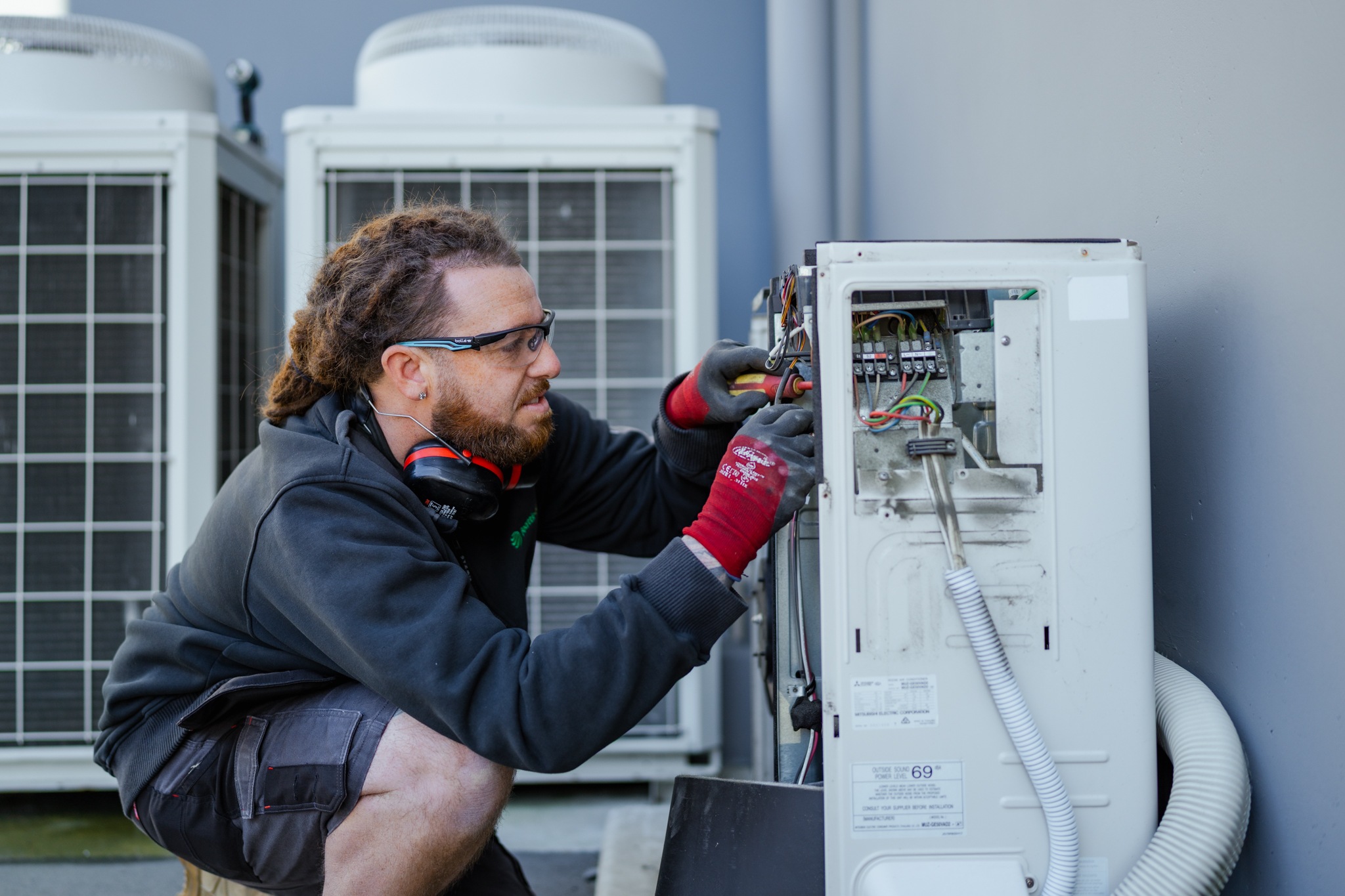
As the winter chill settles across the country, your home’s heating system becomes the unsung hero of your daily life. We often take for granted the invisible wall of warmth that greets us when we step inside from a freezing afternoon. However, like any complex mechanical system, a furnace or heat pump is subject to wear and tear that can compromise its performance. Ignoring the subtle warnings of a struggling heater doesn’t just lead to a cold living room; it can result in skyrocketing energy bills, poor indoor air quality, and even potential safety hazards like carbon monoxide leaks. Understanding how to “listen” to your home is the first step in maintaining a reliable and efficient environment.
In many cases, homeowners wait until the system completely fails before seeking professional assistance. This reactive approach often leads to more expensive emergency service calls and longer wait times during the peak of the season. By staying vigilant, you can identify the early signs that it’s time for heater repairs and address them before they escalate into a total system breakdown. Being proactive not only extends the lifespan of your HVAC equipment but also ensures that your family remains safe and comfortable regardless of how low the mercury drops outside.
Strange Noises and Mechanical Distress
A well-maintained heating system should operate with a relatively quiet, consistent hum. While it is normal to hear the faint sound of air moving through the ducts or the initial “click” of the ignition, loud and disruptive noises are a cause for concern. If you start hearing banging, screeching, or persistent rattling, it is a clear indicator that a mechanical component has come loose or is failing.
For instance, a high-pitched squealing sound often points to a slipping or frayed fan belt, while a loud metallic banging could mean a part has disconnected and is hitting the blower wheel. These sounds are more than just a nuisance; they are the “cries for help” of a system under immense physical stress. If you hear these signs that it’s time for heater repairs, shutting down the unit and calling a technician can prevent a minor loose screw from turning into a catastrophic engine failure.
Inconsistent Temperatures and Cold Spots
Have you ever noticed that your kitchen feels like a sauna while your bedroom feels like an icebox? This lack of temperature uniformity is a classic symptom of a heating system that is losing its efficiency. While some homeowners assume this is just a quirk of an older house, it is often a sign that the heater can no longer maintain the static pressure required to push warm air to the furthest reaches of the ductwork.
Thermostat Miscommunication
Sometimes the issue isn’t with the furnace itself, but with the “brain” of the operation: the thermostat. If your heater cycles on and off rapidly—a process known as short-cycling—it may be receiving faulty data from a malfunctioning sensor. This constant starting and stopping puts incredible strain on the ignition system and the blower motor, leading to premature burnout and inconsistent comfort levels throughout your home.
Skyrocketing Energy Costs
One of the most objective ways to measure your heating system’s health is by looking at your monthly utility bill. It is natural for costs to rise slightly as the weather gets colder, but a sudden, unexplained spike in energy usage is a massive red flag. When a furnace is struggling due to dirty burners, a cracked heat exchanger, or a clogged filter, it has to run for significantly longer periods to reach the temperature set on the thermostat.
This lack of efficiency means you are paying more for less comfort. If you compare your current bill to the same month from the previous year and see a double-digit percentage increase without a corresponding change in your habits, your heater is likely working overtime to compensate for a mechanical deficiency. Investing in a tune-up now can lead to substantial savings over the course of the entire winter.
Indicators You Shouldn’t Ignore
To help you stay on top of your home maintenance, keep an eye out for these specific physical and environmental changes. If any of these become a recurring theme in your household, it is time to consult a professional:
- Yellow Pilot Light: A healthy furnace flame should be a crisp, steady blue. A flickering yellow or orange flame indicates incomplete combustion, which could be a sign of carbon monoxide.
- Persistent Dust: If you find yourself dusting your furniture every two days, your heater’s filtration system may be failing to trap airborne particulates.
- Poor Air Quality: Increased respiratory issues, dry skin, or frequent headaches among family members can often be traced back to a faulty heating system.
- Frequent Cycling: A system that turns on and off every few minutes is wasting energy and failing to regulate humidity.
- Age of the Unit: If your system is over 15 years old, even minor symptoms should be treated with increased urgency.
The Danger of Delayed Maintenance
Beyond the financial and comfort implications, there is a significant safety component to heater maintenance. Many modern furnaces use natural gas or propane to generate heat. This process involves a heat exchanger, which keeps the combustion gases separate from the air being breathed inside your home. Over time, these metal exchangers can develop hairline cracks due to the constant expansion and contraction of the metal.
A cracked heat exchanger is a serious safety risk, as it can allow carbon monoxide to seep into your ductwork. This “silent killer” is odorless and colorless, making it impossible to detect without a dedicated alarm. Regular inspections are the only way to ensure the structural integrity of this vital component. If you notice a “rotten egg” smell or if your carbon monoxide detector triggers, evacuate the house immediately and call for emergency assistance.
Conclusion
Your heating system is the heart of your home during the winter months, and it deserves the same level of attention as any other major investment. By staying alert for unusual noises, monitoring your energy bills, and keeping an eye on your air quality, you can ensure that your home remains a safe and warm environment for your loved ones. Remember that the cost of a routine repair is a fraction of the price of a full system replacement. Take action at the first sign of trouble to ensure your home comfort remains uninterrupted all season long.
