

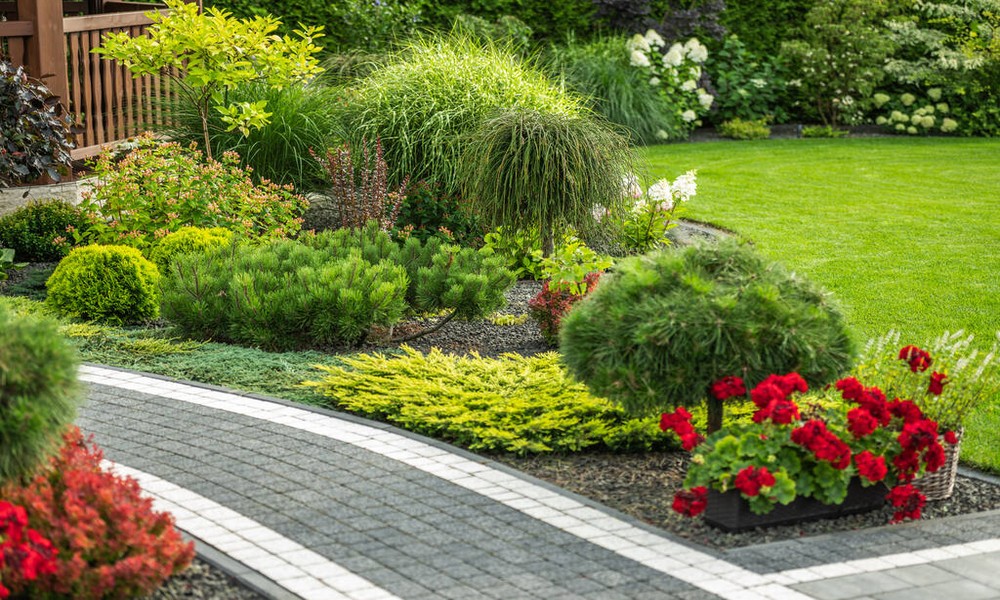
Garden landscaping in Minneapolis offers homeowners the opportunity to transform outdoor spaces into beautiful, functional environments that reflect both personal style and the region’s natural charm. With its distinct seasons, varying temperatures, and rich soil conditions, Minneapolis provides a unique setting for creative landscaping solutions. Whether you’re designing a cozy backyard retreat or a vibrant garden full of native plants, thoughtful planning is key to success.
Understanding Minneapolis Climate
The local climate is one of the most significant aspects of landscaping. The climate in Minneapolis is the cold in winter, warm in summer and moderate in rain. These seasonal variations demand close consideration of plants and materials that are resistant to the temperature variations.
Trees, shrubs and hardy perennials that can withstand colder climates are best options. Hostas, coneflowers and daylilies are some of the plants that grow well in the Minneapolis gardens and add color and texture throughout the growing season. By planning properly, your landscape will be able to look appealing and healthy throughout the seasons. Go to this site for reference.
Designing a Functional Outdoor Space
A garden which is well designed is not only beautiful but practical. Homeowners in Minneapolis often incorporate features such as patios, walkways, and seating areas to maximize usability. All these aspects form welcoming relaxation and entertainment areas and improve the general design of the yard.
The inclusion of various zones, including dining zones, playgrounds, and flowerbeds, facilitates the organization of the landscape and make it more practical. Considerate design is also important to provide easy access to inside and out living areas.
Choosing the Right Plants
In order to landscape successfully in Minneapolis, the right plants should be selected. Native plants are the best option as it is highly adapted to the local environment and does not need that much care. Black eyed Susans, wild grasses, and native shrubs are not only in the climate, but also provide sustenance to the local wildlife, including pollinators.
Planting of plants of different sizes, color and flowering periods provides a year-round appeal. The inclusion of evergreen vegetation with seasonal flowers will make sure that even in colder seasons, the garden will not lose its charm.
Soil Preparation and Maintenance
The basis of any successful garden is healthy soil. The Minneapolis soil may be of different compositions and thus testing and correcting it is a serious procedure prior to planting. Organic matter (compost) added to the soil also enhances the structure of the soil, increases drainage, and supplies the necessary nutrients to plants.
Some routine care such as watering, mulching and pruning are also used to maintain the landscape in the best condition. Mulch especially is very helpful as it keeps the soil moist, it maintains the soil temperature and it also suppresses the growth of the weeds.
Incorporating Hardscaping Elements
Hardscaping is a major feature in the landscaping of the garden as it provides structure and permanence. Stone pathways, retaining walls and decorative edging among others are features that are not only attractive to the eye but also have functional applications in the garden.
In Minneapolis, the winters can be severe, and it is necessary to select long-lasting materials with the ability to resist freezing. Long-term outdoor features are commonly made out of natural stone, brick and concrete. Visit https://en.wikipedia.org/wiki/Hardscape to learn more.
Seasonal Landscaping Considerations
Minneapolis is a place with changing seasons, which means that you have a chance to change and renew your landscape all year long. The spring is the best time to plant and prepare the garden beds, and summer is the time to maintain and enjoy the outdoor areas.
The autumn is an excellent season to plant, since the cooler weather enables roots to grow before it becomes winter. Winter preparation, like covering plants and removing rubbish, is a way of assuring a successful beginning of the next crop.
Sustainable Landscaping Practices
Many homeowners are concerned with sustainability. Environmentally friendly landscaping is not only more beneficial to the environment, but also lowers the maintenance and cost. Native plants can be used, effective irrigation can be installed, and rain gardens can be used to conserve water and sustain local ecosystem.
Additional measures to make the garden more sustainable are composting and minimizing the use of chemicals. These activities will help create a healthier environment and a more robust landscape.
Benefits of Professional Landscaping Services
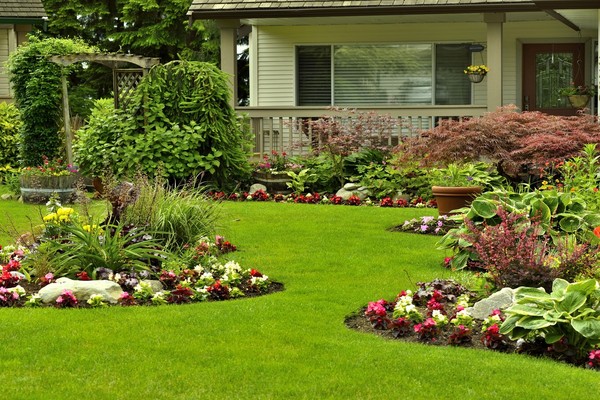
Although there are homeowners who like doing it themselves, Minneapolis Landscaping Experts can be a good source of knowledge and time savings. Professionals will be aware of the specialities of landscape work in Minneapolis and be able to create solutions that will meet the needs of the particular issues.
Professional services are provided throughout the initial planning, installation and maintenance of the landscape to make sure that every detail of the landscape is done accurately. This will help save time, alleviate stress and lead to a more refined and unified outdoor space.
Conclusion
Garden landscaping in Minneapolis is an opportunity to create a personalized outdoor environment that combines beauty, functionality, and sustainability. By understanding the local climate, choosing the right plants, and incorporating thoughtful design elements, homeowners can transform their yards into inviting spaces for relaxation and enjoyment. Whether you take a hands-on approach or work with professionals, a well-designed landscape enhances both the value and quality of your home for years to come.
