

April 1
Tree removal is not just about cutting down a tree it involves planning, assessment, coordination, and post-removal handling to ensure the process is carried out safely and efficiently. In areas like Dallas, Georgia, tree removal projects often require careful consideration of property layout, surrounding structures, and environmental factors.
Property owners who search for acworth tree removal are typically dealing with trees that have become hazardous, overgrown, or structurally unstable. Understanding how safe tree removal works can help you make informed decisions before starting such a project.
Site Assessment Before Any Work Begins
A professional approach always starts with a thorough inspection of the tree and its surroundings. This includes evaluating the tree’s height, lean, root condition, and proximity to buildings, power lines, or fences.
The assessment also identifies potential obstacles that could affect how the tree is brought down. By analyzing these factors early, technicians can determine the safest direction for removal and avoid unnecessary risks.
Planning the Cutting Strategy
Once the site is evaluated, a detailed cutting plan is created. This plan outlines the sequence of cuts, the tools required, and the positioning of workers during the operation.
In many cases, sections of the tree are removed piece by piece rather than cutting it down in one go. This sectional approach is especially useful in tight spaces where full tree felling is not practical.
Equipment Selection and Preparation
The type of equipment used depends on the size and condition of the tree. Chainsaws, ropes, harnesses, and rigging systems are commonly used to control the descent of branches and trunk sections.
All equipment must be inspected before use to ensure it is functioning properly. Proper setup helps maintain control throughout the process and minimizes the chance of unexpected movement.
Controlled Branch Removal Techniques
Branches are typically removed first to reduce the overall weight and improve access to the trunk. Each branch is carefully cut and lowered using ropes to prevent damage to nearby structures or landscaping.
This controlled approach is especially important in residential areas where space is limited and precision is required.
Managing the Trunk Removal Process
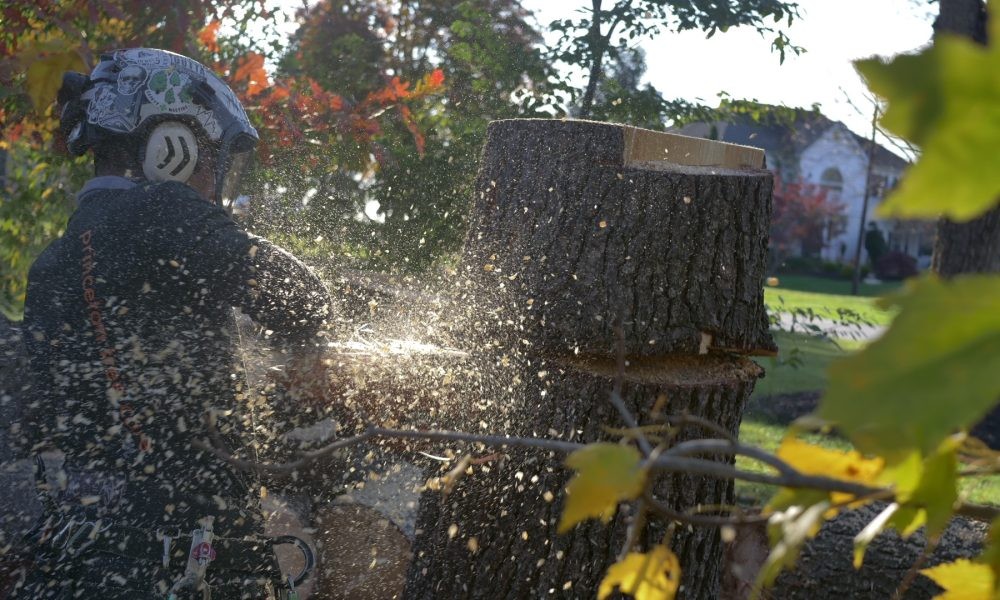
After the branches are cleared, the trunk is addressed in sections. Each cut is strategically planned to maintain balance and prevent sudden shifts.
Workers monitor the tree’s response to each cut, adjusting their technique as needed to maintain stability throughout the operation.
Post-Removal Cleanup and Inspection
Once the tree has been fully removed, the site is cleared of debris, including branches, logs, and sawdust. A final inspection ensures that no hazards remain and that the area is safe for use.
Stump removal may also be recommended depending on the condition of the remaining base and the future for the property.
A Focus on Precision and Safety
Safe tree removal is a combination of experience, planning, and execution. Every step from initial assessment to final cleanup, contributes to minimizing risk and ensuring a smooth process.
For property owners considering acworth tree removal, understanding these practices helps set realistic expectations and highlights the importance of professional handling in maintaining safety and efficiency.
