

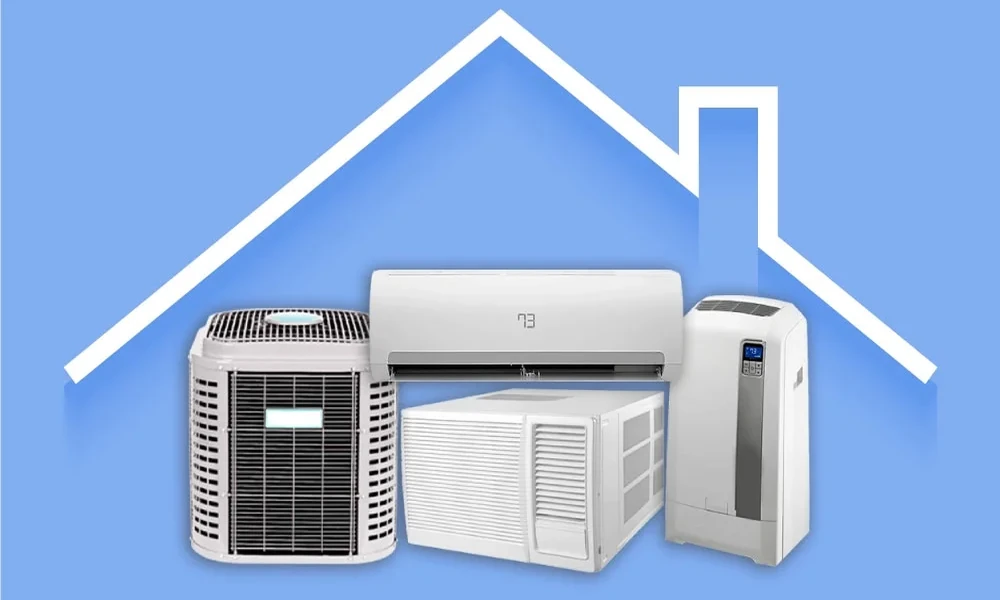
Ask three contractors to quote a new system for the same house and you can get three numbers that are thousands of dollars apart. The gap rarely comes from markup alone. Each quote reflects a set of decisions about size, equipment type, efficiency, refrigerant, ductwork and paperwork. Those decisions also determine how the house will feel in August and what the electric bill will look like for the next fifteen years.
Extended warranty options and an equipment registration form sit right on the menu at 1stchoicehvac.com, a small detail that says a lot about how a contractor treats a new install. The company’s work covers replacement systems and residential new construction, and it promises installations that meet local technical codes or better. Families weighing San Antonio residential hvac installation options will find a company that has carried the slogan “Indoor Comfort Since 1971” for more than five decades. Its approach of evaluating each home in detail before recommending equipment ties straight into the first choice below.
Sizing Starts With the House
The old habit of sizing by square footage, roughly one ton for every 500 or 600 square feet, still shows up in quotes. It ignores almost everything that matters. Two homes of the same size can have very different cooling loads because of window direction, attic insulation depth, ceiling height, shade trees, air leakage and the number of people living there.
A room-by-room load calculation accounts for those factors. Done properly, it often shows that the replacement can be smaller than the old unit, especially in homes that have gained insulation, better windows or a new roof since the original system went in. A right-sized system runs longer, steadier cycles that pull more moisture from the air. An oversized one cools quickly but leaves rooms feeling damp.
If a quote names a tonnage without anyone measuring windows or checking the attic, ask how they arrived at that number.
Heat Pump or Air Conditioner With a Furnace
South Texas winters are short and mostly mild, which makes this decision more interesting than it is in colder regions. A heat pump handles both cooling and heating with one outdoor unit and is very efficient at the temperatures San Antonio usually sees in winter. An air conditioner paired with a gas furnace offers strong heat on the rare hard freeze and makes sense in homes that already have gas service.
Several factors usually decide it.
- Whether the home already has a gas line and a working flue
- How the household felt about indoor comfort during past cold snaps
- Electric versus gas rates on the household’s utility bills
- Whether electric resistance backup heat is included with the heat pump
Many homes end up with a dual fuel setup, where the heat pump does most of the work and the gas furnace takes over only when it gets very cold.
Efficiency Ratings and How Much Is Enough
Equipment is now rated in SEER2, a newer test method that better reflects real installations, so numbers on new labels look lower than the old SEER figures. Higher ratings cut electricity use, but the payoff depends on how many hours the system runs. In a climate where cooling season stretches from spring well into fall, paying for higher efficiency usually earns back more than it would farther north.
The local utility adds weight to that choice. CPS Energy pays rebates on qualifying central air conditioners and heat pumps on a per-ton basis, and the amount rises with efficiency. Federal tax credits for home HVAC equipment have ended, so utility rebates now carry more of the incentive load. It is worth asking an installer which efficiency level earns the next rebate step before choosing equipment.
Single Stage, Two Stage or Variable Speed
How the compressor runs matters as much as its efficiency rating. A single-stage unit has one speed and is either fully on or off. A two-stage unit has a lower setting that covers most days and saves full capacity for the hottest afternoons. A variable-speed system adjusts in small increments and can run at a low hum for hours.
Comfort in a Humid Climate
Lower speeds keep air moving over the cold coil longer, which pulls more water out of the air. Houses with variable-speed systems often feel comfortable a few degrees warmer because the air is drier.
Cost and Repairs
Variable-speed equipment costs more and uses electronic controls that some technicians are better trained to service than others. Single-stage systems are simpler and less expensive to fix. Two-stage equipment falls between the two and often makes sense for mid-sized homes.
Refrigerant Has Changed
New split systems now ship with a lower-impact class of refrigerants, mainly R-454B and R-32, replacing the R-410A that dominated for nearly twenty years. These are mildly flammable, so installers follow updated handling rules and the equipment includes leak detection sensors in some designs.
For homeowners, the practical point is compatibility. A new outdoor unit using one of these refrigerants has to be paired with a matched indoor coil built for it. Replacing only the outdoor half of an older system is mostly no longer possible, which is one reason quotes now cover both the indoor and outdoor units.
Ducts, Drains and Placement
Many installation problems come from what surrounds the equipment rather than the equipment itself. Ducts sized for an old system, crushed flex runs in the attic, or leaky joints can hold a premium system back to mediocre performance. A good installer measures static pressure and inspects the duct runs before deciding to reuse them.
Most San Antonio homes put the air handler in the attic, where a secondary drain pan and float switch protect ceilings from condensate overflows. The outdoor unit should sit level on a pad with enough clearance for airflow and service. Line sets are worth replacing during installation, since old copper lines can carry leftover contaminants or be the wrong size for the new equipment. Both choices are easy to leave out of a lowball quote.
Paperwork You Should Keep
Installation day ends with documents that matter for years. The permit should be closed out with a city inspection. The AHRI certificate confirms that the outdoor unit and indoor coil are a rated match and is often required for utility rebates. Manufacturers usually require equipment registration within a set window, often 60 to 90 days, to activate the longer parts warranty, and a missed deadline can cut that coverage sharply.
Keep these papers together along with startup readings from the installer, such as refrigerant pressures, temperature split and static pressure. When something goes wrong years later, a technician who can compare current readings with the original numbers will find the problem faster.
