

Most people assume a court ordered split means the property gets sold and the cash gets divided. That is the usual outcome, but it is not the starting point. When owners end up in a partition action Florida courts decide, the law actually asks first whether the land itself can be divided fairly, and only turns to a sale when it cannot.
How Courts Approach the Choice Between Dividing and Selling
Florida law treats physical division, often called partition in kind, as the first option and a sale as the fallback. A judge handling a partition action in Florida looks at whether the property can be split into separate parcels without unfairly reducing what each owner ends up with. If a split would hurt the value of the shares, a sale becomes the better route.
That test sounds simple and rarely is. Two owners can look at the same twenty acres and see a clean line down the middle or a ruined parcel, depending on where the road frontage, the water, and the buildable ground actually sit.
The burden matters too. The owner asking for a sale usually has to show why dividing the land would cause real harm, so it pays to gather that evidence before the first hearing rather than after.
Why a House Almost Always Gets Sold
A single family home is the clearest case for a sale. You cannot give one owner the kitchen and the other the bedrooms, and converting a house into two legal units is usually impossible under local zoning anyway.
Courts recognize this quickly, which is why most residential cases move straight to a discussion of how the sale will work. If your dispute involves one house on one lot, expect the conversation to center on price, timing, and credits rather than division.
When Land Can Realistically Be Divided
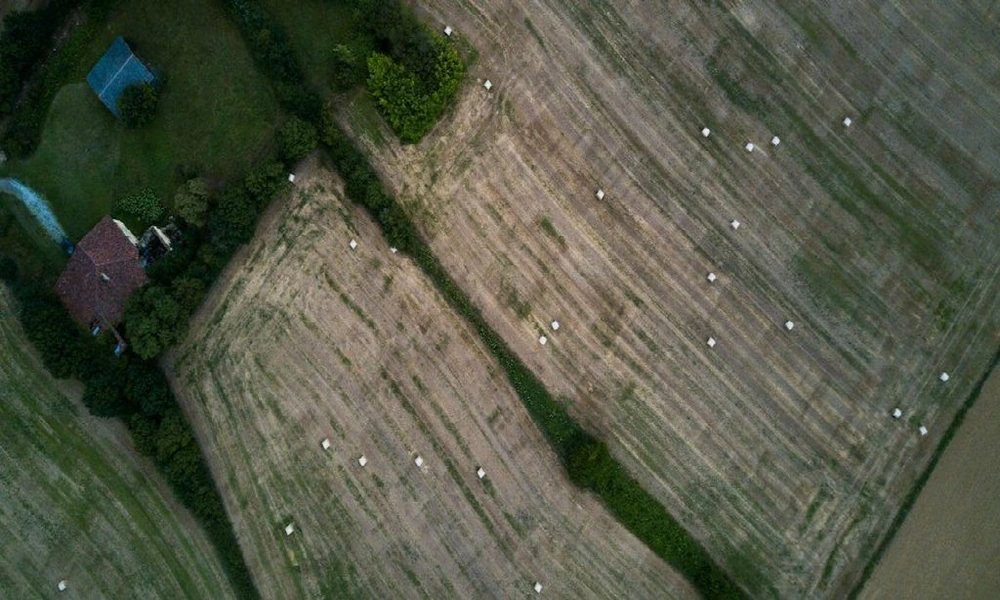
Vacant acreage, farmland, and larger rural tracts are where physical division becomes a real option. If the land can be carved into parcels of comparable value that each meet county requirements for size and access, a court may order exactly that.
Each owner then walks away with their own piece of ground and full control over it. For owners who want to keep land in the family rather than cash out, this is often the outcome worth fighting for.
Zoning and subdivision rules can kill the idea fast. A tract that cannot legally be split into lots meeting minimum size or road access requirements will usually end up sold, however simple the division looks on a map.
The Role of Commissioners in Drawing the Lines
When division is on the table, the court can appoint commissioners to examine the property and recommend how to split it. They typically consider acreage, frontage, access, improvements, and anything else that affects value.
Their report carries weight, but it is not automatic. Owners can object to a proposed division, and the judge decides whether the recommendation is fair. Bringing your own survey and appraisal evidence makes those objections far more persuasive.
Ask how the commissioners will be paid before they are appointed. Their fees usually come out of the property or are split between owners, and knowing the likely cost helps you decide whether pushing for division is worth it.
Equalizing Payments When Parcels Are Not Identical
Land rarely divides into perfectly equal pieces. One parcel might have the road frontage while the other has the better soil or the pond. Courts can address that imbalance by ordering the owner who receives the more valuable piece to pay the other a sum that evens things out.
Those payments let a division work where it otherwise would not. They also become a point of negotiation, since owners often disagree sharply about what each feature of the land is actually worth.
Costs and Timelines Compared
Division tends to cost more up front. Surveys, commissioners, and new legal descriptions all add expense, and the process can take longer than listing a property and accepting an offer.
A sale ends the relationship cleanly, but it also ends ownership. Owners weighing the two paths should look past the legal fees and ask what they actually want to hold when the case closes.
Financing also differs. A buyer can usually get a mortgage on a clean single parcel, while a newly divided tract may need fresh surveys and permits before a lender will touch it, which affects what the land is worth right after division.
Deciding Which Outcome to Push For
If you want to keep the land, raise physical division early and come prepared with evidence that a fair split exists. If you want the money, focus on showing why division would damage value for everyone involved.
Either way, the strategy should be set before filing, not halfway through. The choice between dividing and selling shapes every step of a Florida partition action, from the experts you hire to the settlement offers you are willing to accept.
