

Key Takeaways
- Scandinavian interior design ideas focus on simplicity, functionality, and comfort.
- Neutral colour palettes and natural materials are defining characteristics.
- Clean lines and uncluttered layouts distinguish this approach from many other styles of interior design.
- Practical furniture and thoughtful lighting play an important role in creating functional living spaces.
- The style balances minimalism with warmth through textures and carefully selected décor.
Introduction
Among the many styles of interior design, Scandinavian design has remained consistently popular because of its practical approach to creating comfortable, functional, and visually balanced homes. Rather than relying on decorative details or bold statements, Scandinavian interior design ideas prioritise usability, natural light, and simplicity. These principles make the style easy to recognise regardless of whether it is applied in an apartment, landed property, or commercial setting. Understanding its defining characteristics helps homeowners make informed design decisions while appreciating what sets Scandinavian interiors apart from other design styles.
A Neutral Colour Palette That Maximises Brightness
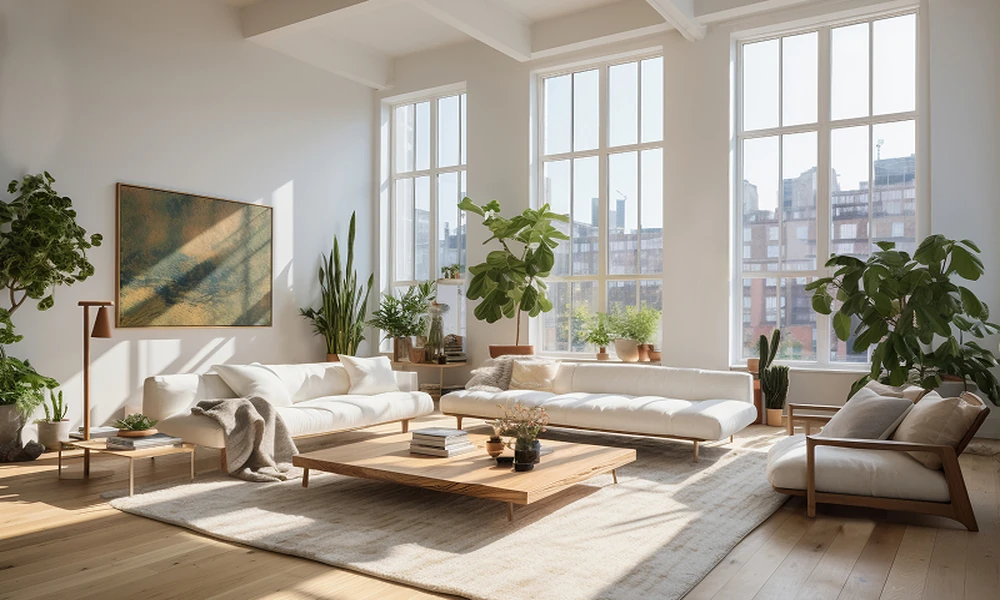
One of the most recognisable characteristics of Scandinavian interiors is the use of soft, neutral colours. White, cream, beige, light grey, and muted earth tones dominate walls, ceilings, flooring, and furnishings. These colours reflect natural light effectively, making interiors appear larger and brighter. While many styles of interior design incorporate neutral palettes, Scandinavian spaces rely on them consistently across multiple surfaces to create a cohesive and calming environment. Accent colours are generally introduced sparingly through cushions, artwork, plants, or decorative accessories rather than becoming the primary focus of the room.
Natural Materials Are a Core Design Element
Wood remains one of the defining materials used throughout Scandinavian interiors. Light-coloured timber flooring, wooden dining tables, cabinetry, shelving, and furniture contribute warmth without overwhelming the space. Other natural materials, such as linen, cotton, wool, leather, rattan, and stone, are commonly incorporated to introduce texture while maintaining a restrained appearance. These material choices support durability and comfort while reinforcing the connection between indoor living and nature. Unlike some styles of interior design that favour polished finishes or decorative ornamentation, Scandinavian interiors allow natural textures and quality materials to become prominent design features.
Functional Furniture with Clean Lines
Furniture selection reflects the Scandinavian emphasis on practicality. Pieces typically feature simple silhouettes, straight lines, rounded edges, and minimal decorative detailing. Every item serves a clear purpose without contributing unnecessary visual clutter. Storage solutions are often integrated into furniture to maximise efficiency, particularly in smaller homes where space management is essential. This functional approach distinguishes Scandinavian interior design ideas from styles that prioritise elaborate craftsmanship or oversized statement furniture. The overall objective is to create comfortable living environments that support everyday activities without compromising visual harmony.
Minimal Decoration Without Creating Empty Spaces
Minimalism is often associated with Scandinavian interiors, but the objective is not to create sparse or sterile rooms. Instead, decoration is carefully curated so that every item contributes either function or subtle visual interest. Artwork, ceramics, books, indoor plants, mirrors, and textiles are selected thoughtfully rather than displayed in large quantities. This measured approach creates organised spaces while maintaining a welcoming atmosphere. Compared with other styles of interior design that encourage extensive layering of decorative objects, Scandinavian interiors achieve balance by reducing unnecessary visual distractions.
Strong Focus on Natural and Artificial Lighting
Lighting plays a significant role because Scandinavian countries experience long periods of limited daylight during certain seasons. Large windows, sheer window treatments, reflective surfaces, and open layouts help maximise available sunlight throughout the day. Artificial lighting is equally important, with pendant lights, floor lamps, wall sconces, and table lamps positioned strategically to provide layered illumination. Rather than relying on a single overhead fixture, multiple light sources create comfortable and functional living spaces. This emphasis on lighting remains one of the defining characteristics that make Scandinavian interiors immediately recognisable.
Comfort Through Texture and Practical Living
Although Scandinavian interiors embrace simplicity, they also prioritise comfort. Soft rugs, knitted throws, textured cushions, upholstered seating, and warm fabrics prevent minimalist spaces from feeling cold. These layered textures introduce depth without creating unnecessary complexity. Furniture arrangements encourage conversation, relaxation, and practical day-to-day living. This balance between minimalism and comfort allows Scandinavian interior design ideas to appeal to households seeking interiors that remain both visually organised and highly liveable.
Conclusion
The popularity of Scandinavian interior design ideas continues because the style combines practicality with timeless visual appeal. Neutral colour palettes, natural materials, clean-lined furniture, carefully controlled decoration, layered lighting, and comfortable textures work together to create interiors that are both functional and inviting. While numerous styles of interior design offer distinctive aesthetics, Scandinavian design remains instantly recognisable because each design decision consistently supports simplicity, efficiency, and everyday living.
Visit HOFT and let us create a Scandinavian home for you that works for everyday living.
