

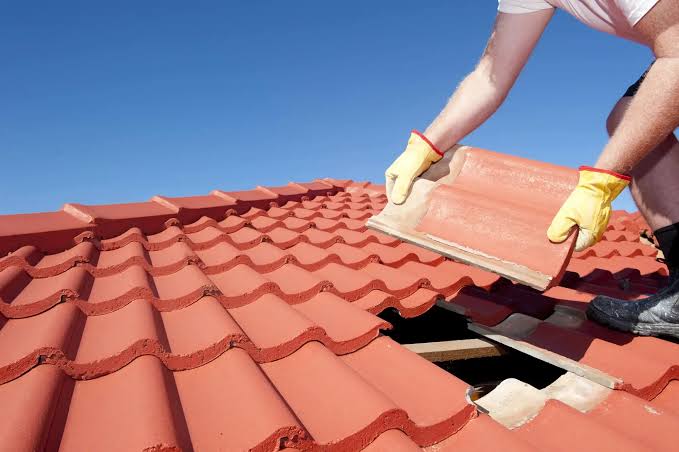
A roof can look perfectly respectable from the driveway while quietly losing its ability to protect the house. In Jacksonville, the trouble often develops beneath the shingles, around roof penetrations, or along sections that receive repeated exposure to wind-driven rain. Homeowners considering Duval County roofing replacement should therefore think beyond the appearance of new materials. The more important question is whether the entire roofing system can withstand the conditions that caused the previous one to deteriorate.
Replacing a roof presents a rare opportunity to examine parts of a home that usually remain hidden. Once the old covering comes off, damaged decking, poorly sealed openings, and questionable installation details become much easier to identify. Addressing these weaknesses during replacement can make a greater difference than selecting an expensive shingle based on appearance alone.
The Old Roof Leaves Behind Useful Evidence
Before choosing materials, it helps to understand how the existing roof has performed.
A roof that develops occasional leaks around plumbing vents has a different problem from one with widespread granule loss, recurring shingle movement, or extensive moisture damage. For Jacksonville homeowners, the history of the roof matters almost as much as its present condition. Consider whether leaks appeared after thunderstorms, whether previous repairs lasted, and whether certain rooms consistently experienced moisture problems.
An inspection should help distinguish between several possibilities.
Localized damage that may still justify a repair.
Aging materials that have deteriorated across several roof sections.
Water intrusion caused by flashing, valleys, or improperly sealed penetrations.
Hidden deterioration affecting the decking or other supporting components.
Installation defects that could reappear unless the replacement method changes.
A roof does not automatically require replacement because it has reached a particular age. Its actual condition, repair history, and remaining serviceability are more meaningful indicators.
Jacksonville’s Rain Can Expose Small Installation Mistakes
Florida roofing discussions often concentrate on hurricanes. However, an ordinary summer thunderstorm can reveal defects that might remain unnoticed in a drier climate.
Water does not always enter directly above a visible ceiling stain. It can travel along decking, framing, or other surfaces before eventually reaching an interior wall.
Roof Valleys Carry More Water Than They Appear To
Where two roof slopes meet, runoff becomes concentrated. Valleys must accommodate that increased water movement without allowing moisture beneath the surrounding materials.
Flashing Deserves More Attention Than Color
Chimneys, plumbing vents, skylights, and wall intersections interrupt the roof’s otherwise continuous surface.
Replacing shingles without correcting defective flashing can leave the original source of a leak untouched.
Roof Edges Face Their Own Challenges
Eaves and roof edges are particularly exposed to wind and rain. Proper drip edges, starter materials, underlayment transitions, and fastening practices help prevent moisture from reaching vulnerable wood components.
The Layer Beneath the Shingles May Matter More
Underlayment provides secondary water protection, while the decking creates the foundation to which the roofing materials are secured. Their condition becomes especially important when strong winds disturb the outer covering.
If the decking is soft, deteriorated, or inadequately fastened, installing new shingles does not automatically correct the weakness.
During replacement, the contractor should evaluate damaged wood, exposed fasteners, deck attachment, and other conditions that could compromise the finished system.
A lower initial estimate may exclude unforeseen decking replacement or other necessary corrective work.
Material Choices Should Follow the Shape of the House
A simple roof with broad slopes has different installation demands from one containing numerous valleys, dormers, penetrations, and low-slope sections.
Architectural Asphalt Shingles
Architectural shingles remain a practical option for many Jacksonville houses because they offer varied appearances and familiar installation methods.
Their performance depends on selecting products appropriate for the property’s wind exposure and installing them according to the manufacturer’s specifications.
Metal Roofing
However, panel design, fastening systems, thermal movement, corrosion resistance, and flashing details deserve careful consideration, particularly in environments exposed to moisture and salt air.
Low-Slope Roofing
Some residential additions, porches, and commercial buildings require systems designed for low slopes.
Materials intended for steep roofs may not be suitable where water drains more slowly. The correct assembly depends on roof pitch, drainage, substrate conditions, and applicable product requirements.
The most suitable covering is therefore the one that works with the building’s design rather than simply offering the longest advertised warranty.
A Replacement Estimate Should Explain the Work You Cannot See
Before approving a proposal, homeowners should understand:
Whether the existing covering will be removed and the decking inspected.
Which underlayment and flashing materials are included.
How deteriorated decking will be priced if discovered.
What roof ventilation work, if any, is proposed.
Who handles permits, inspections, debris removal, and site protection.
Which workmanship and manufacturer warranties apply.
These details make estimates easier to compare because they describe the actual scope rather than only the visible finished product.
A contractor should also explain how additional work will be documented and approved before unexpected charges accumulate.
Local Permits Are Part of the Protection
Roof replacement involves structural and weather-resistance requirements, making permit compliance more than an administrative formality.
Jacksonville identifies re-roofing among alterations requiring a building permit. Its building permit guidance explains this requirement.
Current Florida requirements also affect product selection, underlayment, installation methods, and wind resistance.
Older assumptions about roof replacement rules should not substitute for checking the requirements that apply to the specific property and project.
Choosing a Contractor Means Looking Beyond the Finished Roof
Roof Now, which serves Jacksonville and surrounding Northeast Florida communities, offers roof inspections, repairs, complete replacements, and new installations for residential and commercial properties. Its published services include asphalt shingle, metal, and flat roofing systems. Homeowners can review those options through the company’s roofing services and installation information while evaluating the type of project their property requires.
Regardless of the contractor selected, homeowners should verify licensing, insurance, installation specifications, and warranty terms before signing an agreement.
The Roof’s First Year Deserves Attention Too
Replacement should not mark the end of roof maintenance.
The first year provides an opportunity to observe how the new system performs through seasonal thunderstorms, prolonged humidity, and periods of intense sunlight.
Watch for unusual runoff patterns, water stains, displaced materials, or debris gathering around drainage areas. After major storms, examine the property from ground level and arrange a professional inspection if anything appears damaged.
Also keep copies of permits, warranties, product information, inspection records, and installation photographs. These documents may prove useful during future maintenance, property transactions, or insurance discussions.
A replacement roof should solve the weaknesses of the old system rather than conceal them beneath fresh materials. When homeowners understand the condition of the decking, the importance of water management, and the details contained in an installation proposal, they are better equipped to make decisions that remain sensible long after the roof looks new.
