

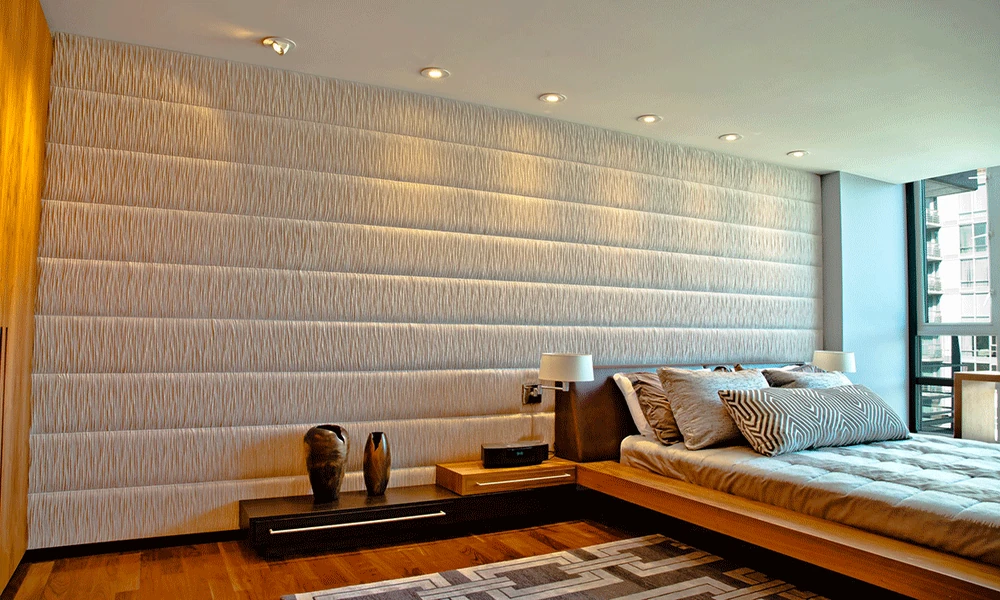
Walls seldom get the attention they deserve. Yet the moment a space features a striking wall covering, whether it’s textured, bold, or quietly intricate, everything shifts. Suddenly, the room speaks, and the atmosphere transforms.
Origins of Wall Coverings: From Function to Fashion
Long before wallpaper shops and artisanal panels, walls were simply functional barriers. In ancient civilizations, early uses of wall coverings centered on necessity. Tapestries, animal skins, and woven mats provided insulation against cold stone, offering a buffer from harsh weather and an extra layer of privacy. Clay, wood, and stucco finishes shielded interiors and occasionally offered subtle hints of artistry.
It wasn’t long until function made room for flair. As societies advanced, so did the desire to display status and identity. Palaces in China and Europe began featuring silk, embroidered fabrics, and hand-painted murals, signaling a shift from mere practicality to a celebration of decorative art. The wall became a canvas, and interiors turned into immersive experiences.
The Rise of Unique Wall Coverings in Modern Design
Fast forward to the present, and wall coverings are in the midst of a renaissance. No longer relegated to the background, today’s wall treatments draw on contemporary art and global culture. Designers pull inspiration from street murals, digital installations, and even fashion runways, pushing the boundaries of what walls can communicate.
Advanced printing technology now enables the production of hyper-detailed patterns and custom motifs. Materials that once seemed impossible, metallic foils, recycled composites, or three-dimensional molds, are crafted with precision, making textures and patterns that come alive with the play of light.
Materials and Techniques Shaping Wall Coverings Today
When it comes to materials, the field is richer than ever. Natural options like grasscloth, linen, and bamboo offer organic warmth, while synthetic choices, such as vinyl and mylar, bring durability and easy maintenance. Each option speaks to a different sensibility, from rustic and earthy to sleek and futuristic.
Wallpaper isn’t what it used to be. Digitally printed graphics, fabric panels, laser-cut wood, and even modular tiles all fall under the umbrella of modern wall coverings. Some designs incorporate integrated lighting, casting dramatic shadows or highlighting textures to create a dynamic visual interplay. These techniques allow designers to completely redefine the mood of a room, with just a single wall as their focus.
Impact on Interior Aesthetics and Atmosphere
A well-chosen wall covering can set the emotional tone of a space instantly. Velvet panels create a cozy, intimate vibe in a lounge, while shimmering metallics invigorate modern living rooms. Subtle, tactile surfaces in muted colors calm bedrooms, whereas bold murals can energize a workspace or cafe.
Beyond mood, wall coverings can change how we perceive space. Vertical stripes elongate walls; geometric patterns add movement; reflective surfaces visually enlarge compact rooms. In signature projects around the globe, unique wall coverings have become the defining element, turning ordinary interiors into unforgettable environments.
Customization and Personal Expression Through Wall Design
One of the most significant shifts is the ability to customize. Designers, architects, and manufacturers are now partners in crafting exclusive collections tailored to clients’ visions. This collaboration fosters a sense of ownership and personal connection.
Manufacturers specializing in avant-garde materials often work closely with creative professionals to develop site-specific solutions. For those in search of both unique wall treatments and matching contemporary furnishings, resources like Avant-Scene designer furniture provide curated options that span from wall coverings to statement pieces, seamlessly integrating aesthetics across a project.
Future Trends: The Evolution of Wall Coverings
Looking ahead, sustainability is shaping the future. Eco-friendly materials such as recycled paper, biodegradable textiles, and natural dyes are increasingly prevalent. At the same time, emerging technologies introduce “smart” surfaces, interactive panels that change color with the touch of a button or display digital art.
Designers are also reimagining classic techniques, blending traditional craftsmanship with digital innovation. The result is a hybrid approach, where ancient motifs meet programmable patterns on a single wall.
How to Choose the Right Unique Wall Covering
Selecting the ideal wall covering starts with evaluating the space. Consider natural light, the room’s purpose, and how the covering will interact with existing elements. For high-traffic areas, durability and ease of cleaning are paramount. In a quieter setting, delicate textiles or sculptural finishes can make a statement without risk.
Style should always serve function. A playful mural might enliven a child’s room, while acoustic panels disguised as art could transform a home office. Maintenance is another factor, some options require gentle care, while others withstand everyday wear.
Conclusion: Wall Coverings as a Key Element in Evolving Interior Design
From ancient inventions to contemporary masterpieces, wall coverings have become a defining feature of dynamic interiors. They shape mood, signal identity, and offer endless possibilities for personal expression. For anyone seeking to elevate their space, at home or in a professional setting, exploring unique wall coverings is a journey worth taking. The right choice doesn’t just dress a wall; it transforms an entire environment.
