

Key Takeaways
Miscalculating dimensions when measuring windows and doors can lead to fit errors that are both frustrating and expensive. You might end up with costly replacements and installation fees. So, it’s crucial to measure multiple times to get it right before placing an order.
If you choose the wrong frame material, it could really hurt the performance and durability of your windows and doors. This choice will ultimately affect energy efficiency and the amount of maintenance required. Selecting materials that are right for your region? That’s essential.
Diving into a DIY installation sounds appealing, but trust me, it often leads to frustrating mistakes. Improper sealing or neglecting local building codes can cost you way more than hiring a professional. It’s worth considering getting expert help to steer clear of these issues.
When you hire professionals for your window and door installations, they bring experience, which means critical issues are handled properly. This leads to a much more efficient and reliable installation process.
Your choice of materials plays a huge role in energy efficiency. Go with low-quality options, and you might see your energy bills soar and end up dealing with frequent repairs. Instead, invest in durable materials for better longevity and lower future costs.
The local climate directly influences which window and door materials are appropriate. Therefore, considering environmental factors when making your selections is vital. Making informed choices can protect your investment from premature deterioration.
Understanding energy efficiency ratings is crucial if you want to avoid high utility costs. These ratings directly impact insulation and heat transfer. So, when selecting windows and doors, look for those with solid ratings to save money over time.
What You’re Getting Wrong with Window Measurements
Miscalculating Dimensions: The Hidden Cost
Getting your measurements spot on is the cornerstone of any successful replacement project. Seriously, it cannot be overstated. Miscalculations can lead to expenses that could have been easily avoided with a little more care. If you order the wrong size, you might find yourself with a product that just doesn’t fit. Watching a new window or door awkwardly sit in an ill-fitted hole? No thanks. It’s not just maddening – it can cost you. You’ll be stuck with replacement fees and extra installation charges to boot.
Before you leap into ordering, measure twice, or even three times. And here’s what you need to focus on:
- Height and Width: Get precise measurements. No guessing allowed!
- Depth: Windows and doors often require specific depths for proper function.
- Location: Keep in mind the surrounding structure walls aren’t always straight.
Ignoring Frame Types: Why It Matters
Frame types aren’t just an afterthought; they impact how windows and doors work. If you think a frame is a frame, you’re missing the crucial details. Different materials like wood, vinyl, or aluminum come with their own set of benefits and drawbacks. Choosing the wrong one can compromise both durability and energy efficiency.
Ask yourself the following:
- Is this material right for my local conditions?
- What kind of maintenance will it need in the long run?
- How does it stand up to the elements like moisture, heat, or cold?
Picking the right frame type goes beyond aesthetics; it’s a strategic decision that influences your home’s overall comfort and long-term value. Is it really worth risking that by overlooking this detail?
Why DIY Installations Can Backfire
Common Installation Errors Costing You More
Many people find the idea of DIY appealing, and I understand why saving a few bucks sounds great. But let’s be real: tackling installations yourself often leads to mistakes that can end up costing you more in the long run.
I’ve seen folks skip critical steps that could jeopardize their investment. Here are some common errors I’ve come across:
- Improper sealing, which leads to drafts and leaks.
- Incorrect leveling, resulting in squeaky doors and uncloseable windows.
- Neglecting local building codes, risking fines or safety issues.
What’s the takeaway? It’s a gamble. If you’re not confident, my advice is clear: hire a professional. Don’t just take my word for it.
The Importance of Professional Expertise
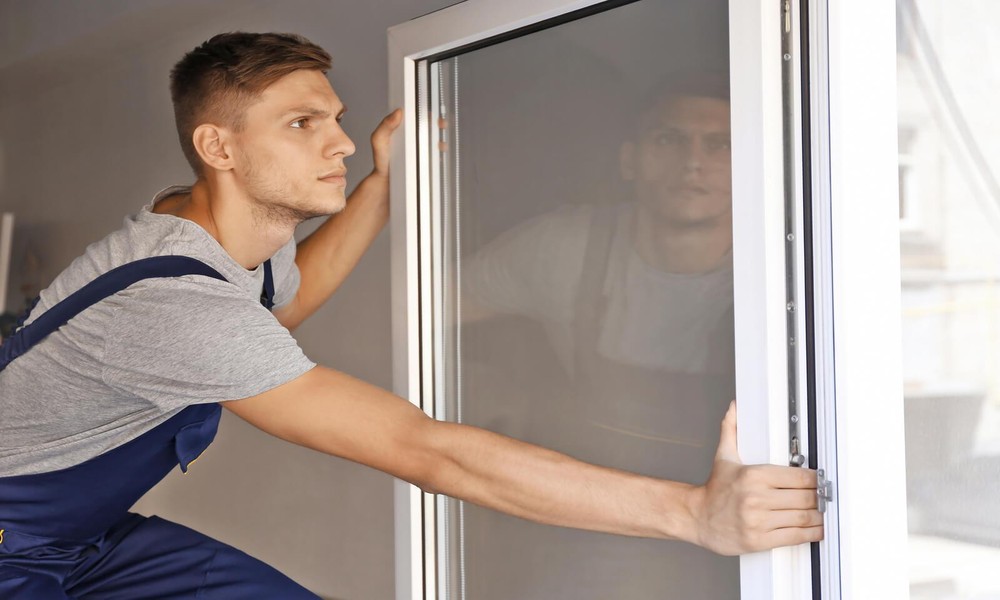
Hiring a window & door replacement company can save you from so many headaches. Professionals not only come with expertise but also the right tools for the job. They have experience doing these installations countless times, which means they know what works and what doesn’t. Often, they’ll spot potential issues, like moisture damage or structural problems, that you might miss.
“A professional installation isn’t just peace of mind – it’s an investment.”
So, don’t stress out trying to do it all yourself. When it comes to your home’s windows and doors, relying on skilled hands is a much wiser choice.
Choosing the Wrong Materials Could Break the Bank
Impact of Poor Choices on Longevity and Efficiency
Your material choices can influence everything from aesthetics to performance. Think about it: poor selections can lead to energy inefficiency, causing your energy bills to skyrocket, not to mention dealing with wear and tear too soon. Do you want to replace something that you just installed a few years prior?
Here’s what can happen if you choose poorly:
- Low-quality materials can lead to constant repairs.
- Unreliable windows might allow moisture in, paving the way for mold and mildew.
- Cheap materials often lack energy efficiency, driving up your costs.
Take time to research the materials you’ll be using. It’s an investment that can provide you longevity in the long run. Trust me, you won’t regret making that choice.
Environmental Factors: How They Play a Role
If you think the local climate doesn’t matter when selecting window and door materials, think again. Your environment is key. The materials that hold up in humid Florida might not stand a chance in freezing Minnesota. So, consider this:
- Does your area see extreme weather?
- Are there local pests that could invade your materials?
- How does sunlight influence different finishes?
By making decisions based on solid data, you’re enhancing the lifespan of your windows and doors. Plus, you’re also protecting your investment from the elements, which pays off in the end.
Overlooking Energy Efficiency Ratings: A Major Mistake
Understanding Ratings: What Do They Really Mean?
Energy efficiency ratings might seem confusing, but ignoring them is like buying a car without checking its MPG. What’s the point? These ratings indicate how well your windows and doors will insulate and transfer heat. If you’re not paying attention, you’re setting yourself up for higher utility bills down the road.
Let’s break it down. Keep an eye on these key ratings:
- U-Factor: measures the rate of heat transfer.
- SHGC (Solar Heat Gain Coefficient): vital for homes in warmer climates.
- Air Leakage ratings: because nobody wants annoying drafts.
If you’re not accounting for efficiency in your budget, trust me you’ll feel it in your utility bills. And who wants that kind of hassle?
How Your Choice Affects Utility Bills
We’ve all seen those monthly bills pile up, right? High utility costs can creep up on you, often due to poor window and door selections. Energy-efficient windows aren’t just a preference; they’re a necessity. It’s not just about comfort; think about your finances too.
By investing in quality, energy-efficient products, you’re making a decision that pays off continually. Look at it this way:
- Lower energy bills leave you with extra money for fun.
- Energy-efficient features can raise your home’s value when you sell.
- They help reduce your carbon footprint, contributing to a cleaner environment.
So ask yourself: are you really prepared to keep tossing money out the window, literally? Don’t ignore the bigger picture; your long-term savings depend on it.
Your window and door replacement journey can be full of pitfalls, but if you steer clear of these common mistakes and utilize the insights from this article, you’re well on your way to making smarter, more informed choices. Happy renovating!
FAQ
What are the most common mistakes with window measurements?
The most common mistake is overlooking the depth. Often, people also forget to consider surrounding structures that can throw off their measurements. It’s crucial to pay attention to every little detail.
How can I tell if I need a professional for installation?
If anything about the installation process raises doubts for you, it’s better to hire a pro. If you’ve never done it before, the risks of improper installation can lead to costly mistakes that easily outweigh any initial savings from DIY.
What frame materials are the least durable?
Wood frames can rot when exposed to moisture if they aren’t well-maintained. Vinyl may fade over time in harsh climates, and cheap aluminum is prone to dents. Make your choices wisely.
Are energy-efficient windows really worth the investment?
Yes, absolutely. They might come with a higher upfront cost, but the long-term savings on energy bills often make up for that expense several times over. Plus, they enhance your home’s value.
What specific climate factors should I consider for window and door materials?
Pay attention to extremes, like heavy snowfall or high humidity levels. Local pests can also determine material choice. Ensure that your windows and doors can withstand your area’s unique environmental conditions.
How do I know which energy efficiency ratings are best?
Concentrate on U-Factor for insulation, and SHGC for heat gain, especially if you’re in warmer climates. Don’t overlook Air Leakage ratings either; you want to eliminate drafts as much as possible.
Can I install windows or doors during winter?
It’s doable, but not ideal. Cold temperatures can affect both materials and installation methods. If you have to, make sure you’re prepared to minimize heat loss throughout the process.
What’s the risk of ignoring local building codes?
Ignoring building codes can lead to various issues, including fines, unsafe installations, and potential future renovation headaches. You could even face costly alterations mandated by local authorities if your work is deemed unfit. Don’t take that risk.
