

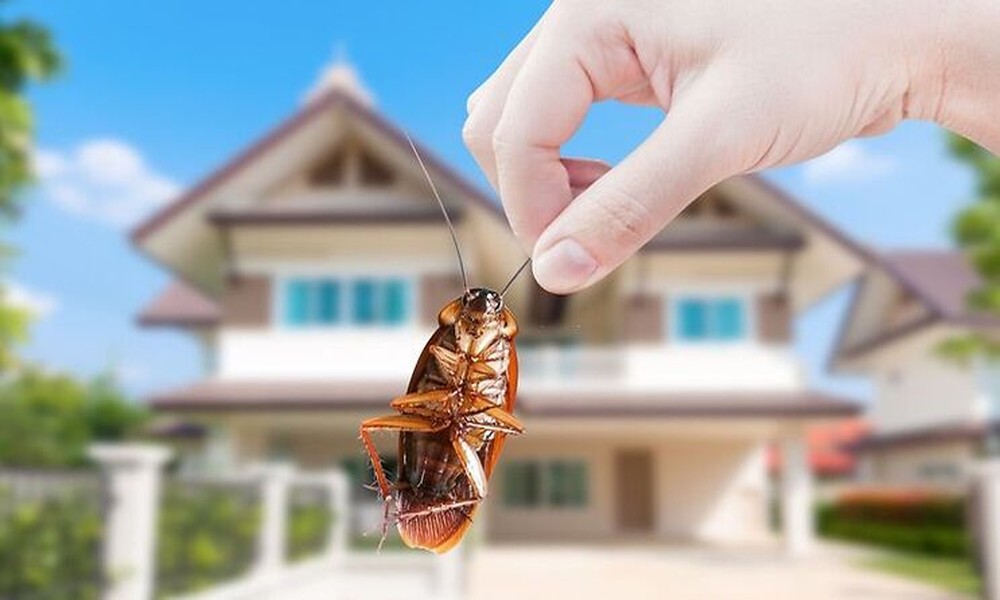
You close on a brand new home in Canyon Hills. The keys are still cold from the title office. The paint is fresh, the carpet’s never been walked on, and the back of the lot drops off into chaparral that the developer hasn’t quite gotten around to landscaping yet. Six weeks later you find Argentine ants trailing across the kitchen floor, a scorpion in the laundry room, and droppings in the garage. The team at Main Sail Pest Control gets these calls constantly from new homeowners across Lake Elsinore, Wildomar, Menifee, and Murrieta, and the conversation always starts the same way: “But the house is brand new.”
The “new equals pest-free” assumption is one of the most consistently expensive mistakes a new homeowner makes in southwest Riverside County. The opposite is often closer to the truth. New construction creates pest problems that an established home doesn’t have, and the first six months after move-in are when those problems are easiest to head off.
What Grading and Construction Actually Do to the Pest Population
A tract development like Canyon Hills, Tuscany Hills, Rosetta Canyon, Summerly, or Alberhill Ranch sits on land that was very recently chaparral, agricultural ground, or open hillside. Grading the pad displaces every animal that was living in or on that land. They don’t disappear. They scatter to the edges, regroup, and start working their way back as soon as soil, water, and food return.
The construction process itself creates conditions pests find irresistible:
- Freshly turned soil supports active scorpion and spider habitat
- Construction debris piles host rodents through framing
- Open wall cavities collect insects before drywall closes them in
- Plumbing and electrical penetrations through slabs are sealed inconsistently
- Fresh landscape mulch is essentially an Argentine ant invitation
- Newly installed irrigation creates the first reliable water source on the lot
By the time the homeowner moves in, the foundation has been poured, the framing is closed, and the scorpions and ants have already mapped the property. They were here before the keys were cut.
The First-Six-Months Pest Lineup
Different pests show up on slightly different timelines. The pattern across new Lake Elsinore neighborhoods is fairly predictable.
Argentine ants arrive almost immediately once landscaping is installed. The first irrigation cycle wakes up the supercolony already present in the surrounding properties, and trails work their way to the slab edge within days. Brand new mulch beds are a particular favorite because they hold moisture and warmth.
Scorpions show up in the first month or two, most often in the laundry room, garage, and bathrooms. Hillside lots backing to undeveloped land see them more than interior lots. They follow the cool, moist microclimate inside the structure during summer heat and shelter in block walls and the gaps along weep screens.
Black widows colonize the block wall in the side yard and the corners of the garage as soon as the structure cools at night. Brown widows arrive next, taking up residence under any patio furniture, plastic trash bin, or playset that gets installed in the backyard.
Roof rats follow the landscaping. New trees, fresh palms, and the bougainvillea along the property line attract them within months. The first fruit on a new citrus tree is a reliable trigger.
Mice and ground squirrels often cross from the wildland edge into newly graded lots, especially during the first dry summer when their preferred forage starts to fail in the surrounding scrub.
Subterranean termite pressure increases on fresh construction in ways most homeowners never think about. Pre-construction termiticide treatment is required for new homes in most jurisdictions and must be performed by a Branch 2 licensed operator, but the protection isn’t permanent. Heavy rain during construction, post-treatment trenching for plumbing or electrical work, and aggressive landscape grading after the slab pour can all compromise the treated soil barrier. The colony pressure on the property doesn’t go away because a treatment was applied two years ago.
Why the Builder’s Warranty Doesn’t Help
Most builders provide a one-year limited warranty covering construction defects and a longer structural warranty for major systems. Pest control is almost universally excluded. Once a homeowner finds ants in the kitchen or scorpions in the garage, the call goes to the homeowner’s pocket regardless of how new the house is.
The pre-construction termite treatment usually carries its own warranty through the company that performed it, but those warranties typically require annual inspections and have specific exclusions that most homeowners don’t read until they need to file a claim.
The practical reality: pest control is the homeowner’s responsibility from day one of move-in.
What a Pre-Move-In Plan with Main Sail Pest Control Looks Like
The most cost-effective time to start pest control on a new home is before the moving truck arrives.
A pre-move-in walk-through covers the perimeter, the slab edge, the weep screen along stucco walls, the garage door sweep, the gaps where AC line sets and plumbing enter the structure, the roof vents, the fascia boards, the gable vents, and the eave gaps. New construction is rarely as airtight as homeowners assume. The point of the walk-through is to identify exclusion needs before pests find them, not after.
Initial treatment focuses on the perimeter and the harborage areas pests are most likely to use:
- Block wall voids and weep holes
- Mulch bed edges and irrigation valve boxes
- Slab edges and expansion joints
- Garage interior corners and the slab-to-stem-wall junction
- Block wall caps where brown widows establish
- Pool equipment housings once installed
Recurring service every month or two months prevents the colonization that almost certainly will happen otherwise. The first year is the most critical, because the surrounding landscape is still establishing and the pest pressure on the property is at its highest.
The Sweet Spot Is Before You Sign for the Keys
A new homeowner in Lake Elsinore who waits to see pests before calling spends roughly twice as much over the first three years as one who starts service before move-in. The math is simple. Initial treatments are cheaper than corrective treatments after a colony is established, and Argentine ants in particular are dramatically harder to push back once they’ve claimed the slab.
If you’re closing on a property in Canyon Hills, Tuscany Hills, Rosetta Canyon, Summerly, Alberhill, or any of the active developments around Lake Elsinore, schedule a perimeter inspection before move-in week. Main Sail Pest Control works with new homeowners across southwest Riverside County to set up preventive plans built for the specific pest pressure of new tract construction next to undeveloped land. Reach out for a free estimate before the first ant trail makes the decision for you.
