

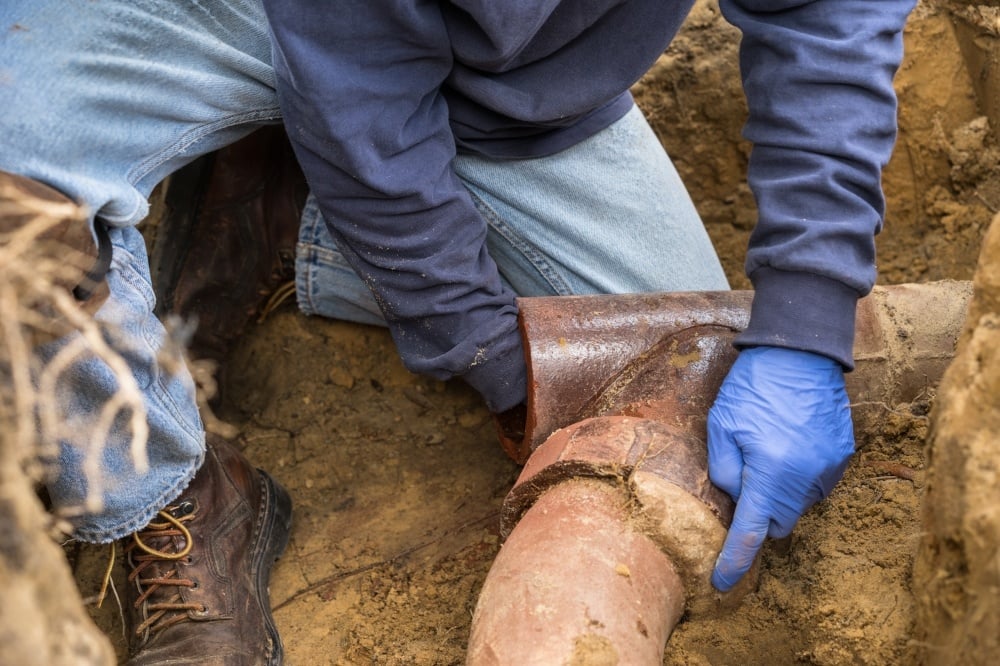
When we are experiencing sewage issues, it is usually preferable to get expert assistance. However, due to the volume of funds we think we can save, many of us opt to handle the issues on our own. Mostly, we just jump right in, which leads to more issues. It’s harder than it seems to fix a sewer. To be able to accomplish anything properly and efficiently, you need to have the necessary training, abilities, and a guide to sewer line replacements.
Simply adhere to the following suggestions and recommendations to assist and direct you in performing sewage repair on your own.
- Get a hold of your area’s plumbing codes first
Usually, your local government may provide you with these. You may use these plumbing codes to calculate how far you can dig along the pipes. In order to prevent future problems and concerns, you must be informed of these regulations before you begin any action. Additionally, it’s for your safety.
- Gather the requisite equipment
Second, to cut through the concrete and replace broken sewer lines that are buried beneath concrete foundations, you’ll require a metal cutting blade, a diamond blade, a cutoff saw, and a hefty hammer. Cut into the concrete using a diamond-tipped cutoff saw blade. You must change the blade to a metal-cutting blade if you come into contact with or reach the iron bars on the concrete. To make the already-cut concrete easier to remove from the opening you are attempting to dig, pound on it with a strong hammer to break it into chunks.
- Notify the authorities about any damaged sewerage
Third, it is advised that you notify the sewerage services in your area right away if the destroyed sewage is spilling into the road or the neighborhood to prevent it from endangering the local population. Ask them for suggestions on how to have the broken pipe fixed or replaced as well.
- Steps to follow
Fourth, take the following actions while fixing a sewer.
- To reach the broken sewage lines, you may need to carve through concrete or dig into the earth.
- You should dig a trench that is big enough to work in the sewers without difficulty.
- The sewage line’s damaged section must be removed, whether it is cracked or broken.
- Don’t cut through the new pipe until you’ve used the measurements on it.
- Run water down the sewer pipes to test the sewer repair work and see if there are any leaks or other issues.
- Start reburying the sewage pipe if nothing seems to be leaking or wrong.
Remember these sewage repair advice so you may steer clear of unwanted hazards and blunders.
