

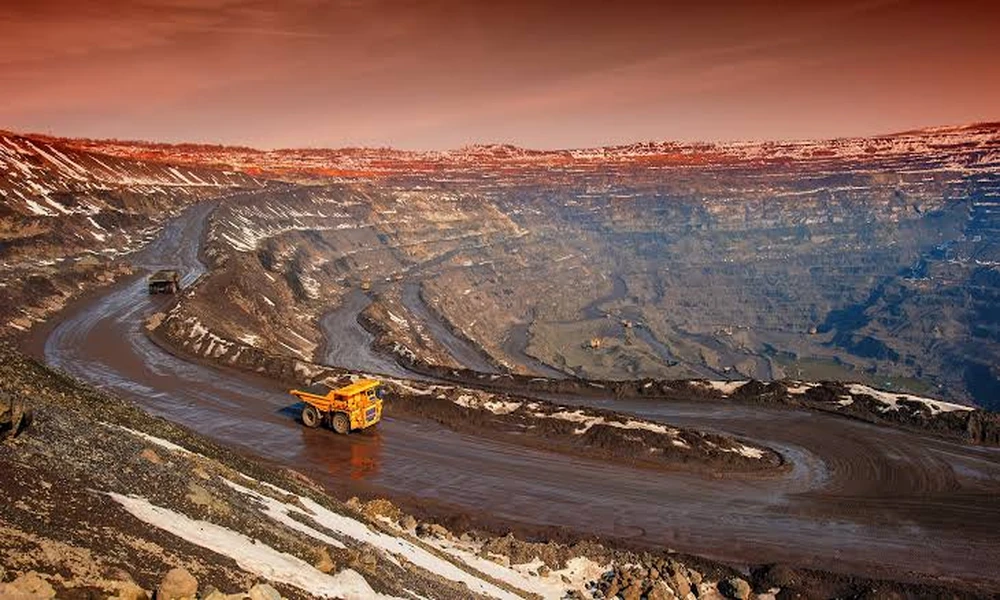
Owning land does not always mean owning everything above and below it. In many legal systems, different rights attached to the same parcel can be separated and sold independently. Sellers who understand which rights they hold avoid confusion, protect value, and answer buyer questions accurately.
Surface Rights
Surface rights cover the ground itself: the ability to build, farm, fence, and generally use the land. Most residential and recreational buyers care primarily about these. When people speak about owning land, surface rights are usually what they mean.
Mineral Rights
Mineral rights cover resources beneath the surface, such as oil, gas, coal, or metal ores. In some places these rights were sold off by earlier owners long ago, creating what is known as a split estate. The surface owner may then have limited ability to prevent extraction activity, depending on local law. A title search should reveal whether mineral rights have been severed and who holds them now.
Water Rights
Water rules vary enormously. Some regions tie the right to use water directly to land bordering a river or lake. Others allocate rights based on historical use, regardless of who owns the shoreline. Groundwater from wells may be regulated separately again. A parcel with documented water access can be far more valuable for farming or ranching.
Timber and Other Rights
Standing timber can also be sold separately, sometimes through a contract that allows harvesting for a set number of years. Wind and solar leases, grazing agreements, and hunting leases are additional examples of rights that may already be committed to someone else.
Why This Matters at Sale Time
Buyers want to know exactly what they are getting. If a previous owner kept the mineral rights, the deed you received may already exclude them, and you cannot sell what you do not own. On the other hand, if you hold valuable rights, you may choose to keep them, sell them with the land, or sell them separately. Each choice affects price.
How to Find Out What You Own
Review your deed for language reserving or excepting minerals or other rights. Ask a title company to search the chain of title for severances. Contact the local water authority about any registered rights. In regions with energy activity, many owners comparing land buyers in different markets discover that offers vary depending on whether mineral rights are included. Sellers speaking with land buyers in Texas, for example, are often asked about mineral status early in the conversation.
Leases That Travel With the Land
Existing leases matter too. An active oil and gas lease, a farming agreement, or a hunting lease may continue after the sale, binding the new owner to its terms. Sharing copies of every agreement with the buyer early helps avoid disagreements and allows the price to reflect any income or restrictions involved.
Final Thoughts
Land is a bundle of rights, and not every owner holds the full bundle. Confirming which rights you have before listing prevents disputes, sets accurate expectations, and helps you negotiate from an informed position. For other reading, this link may interest you.
