

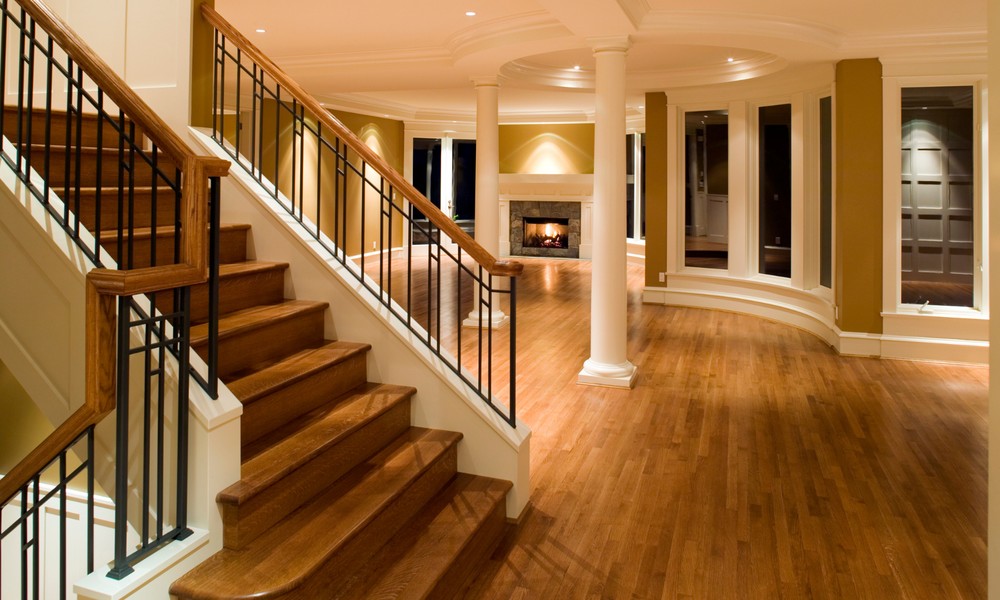
Few elements transform a house like the glow of solid hardwood underfoot. When choosing flooring, homeowners face a dizzying array of surfaces, finishes, and materials, each promising durability or trend-setting style. Yet, decade after decade, solid hardwood floors continue to hold their ground as the gold standard for beauty and longevity.
The Challenge of Flooring Choices in Modern Homes
Modern homes are built to reflect personal style, comfort, and value. Flooring influences all three, yet the decision can be overwhelming. Laminate, vinyl plank, engineered wood, and tile all tout their benefits, but a misstep can impact the entire atmosphere of a home.
The Impact of Flooring on Home Ambiance and Value
Flooring is more than just a backdrop. It changes how light bounces around a room, the sense of warmth, and even the sound of footsteps. Real estate professionals consistently rank hardwood as a top feature for resale, noting that buyers are willing to pay a premium for authentic wood floors.
Common Issues with Alternative Flooring Options
Other options may seem attractive at first glance, but they often reveal shortcomings over time. Laminate can warp with spills, vinyl may fade, and tile feels cold beneath bare feet. Repairs or replacements tend to show, lowering the floor’s appeal and the home’s value.
Why Solid Hardwood Stands Apart
Natural Beauty and Unique Grain Patterns
Each plank of solid hardwood tells a story. Unlike synthetic imitations, the grain, knots, and subtle color variations are unique to each board. These organic patterns are impossible to fake, giving rooms an individuality that simply can’t be mimicked by mass-produced alternatives.
Durability That Withstands the Test of Time
Solid hardwood is renowned for its strength. Properly maintained, it can last for generations, developing a patina that only deepens its character. Scratches can be sanded out, and finishes can be refreshed, allowing hardwood to age gracefully rather than wear out.
Environmental and Health Benefits of Solid Hardwood
Genuine wood is a renewable resource and, when sourced responsibly, a sustainable choice. Hardwood flooring also fosters healthier indoor air quality because it doesn’t trap dust, pollen, or allergens the way carpeting does. This makes it an excellent choice for families concerned with wellness.
Exploring Popular Wood Types and Styles
Classic Choices: Maple, Red Oak, and Birch
Time-tested species like maple, red oak, and birch are favorites for their resilience and storied grains. Maple’s smooth, understated appearance suits modern and minimalist spaces. Red oak provides warmth and visible grain, while birch offers subtle color variation perfect for a softer look.
Exotic and Specialty Woods: Cherry, Cedar, and Beach
For those wanting something distinctive, cherry floors provide a rich, warm hue that deepens with age. Cedar brings a rustic, aromatic quality, while beach woods (like those showcased in Club Ceramic hardwood flooring) offer a breezy, coastal feel ideal for contemporary homes.
Finish Options and Their Effect on Appearance and Longevity
From matte to high-gloss, finishes dramatically alter both the look and lifespan of hardwood. Matte finishes hide scratches better, while glossy coatings reflect more light for a formal appearance. The right finish also protects against daily wear, extending the life of your floors.
Overcoming Common Misconceptions About Hardwood Floors
Addressing Concerns About Maintenance and Wear
Contrary to popular belief, solid hardwood is not high maintenance. Regular sweeping and occasional damp mopping keep floors looking their best. Protective pads on furniture and mats at entryways go a long way in preventing dents and scratches.
Comparing Cost and Investment Value Over Time
While hardwood’s upfront cost is higher than substitutes, the long-term investment pays off. Most alternatives require replacement in 10 to 20 years, while solid hardwood can last half a century or more with care. When factoring in durability and resale value, hardwood often proves more economical over the life of your home.
Practical Solutions for Integrating Solid Hardwood Floors
Choosing the Right Wood Type for Your Home Environment
Climate, usage, and personal style all play a role in selecting the right species and finish. High-traffic areas benefit from harder woods like oak or maple, while bedrooms can showcase softer, more decorative varieties.
Installation Methods and What to Expect
Hardwood can be nailed, stapled, or glued depending on the subfloor and plank width. Professional installation ensures tight seams and long-lasting performance, but skilled DIYers can also tackle certain projects with proper tools and guidance.
Caring for and Maintaining Hardwood Floors to Maximize Lifespan
Routine care is simple: sweep regularly, promptly wipe up spills, and occasionally refresh the finish. With these habits, floors will remain beautiful and resilient for decades.
Taking Action: Making Solid Hardwood Floors Your Timeless Design Choice
Working with Professionals: Finding Reputable Suppliers and Installers
A trusted supplier assures quality and ethical sourcing. Look for specialists with a strong reputation, local showrooms featuring a range of options, like Club Ceramic hardwood flooring, allow you to see and feel potential choices before committing.
Budgeting and Planning Your Hardwood Flooring Project
Setting a realistic budget includes accounting for demolition, installation, and potential subfloor repairs. Experienced professionals can provide accurate estimates and help you avoid surprises.
Enhancing Home Value and Aesthetic with Hardwood Floors
Solid hardwood floors are more than a design decision; they are an investment in lasting style, comfort, and home value. In an ever-changing landscape of trends and materials, hardwood’s enduring appeal continues to prove why it is, and always will be, a timeless choice.
