

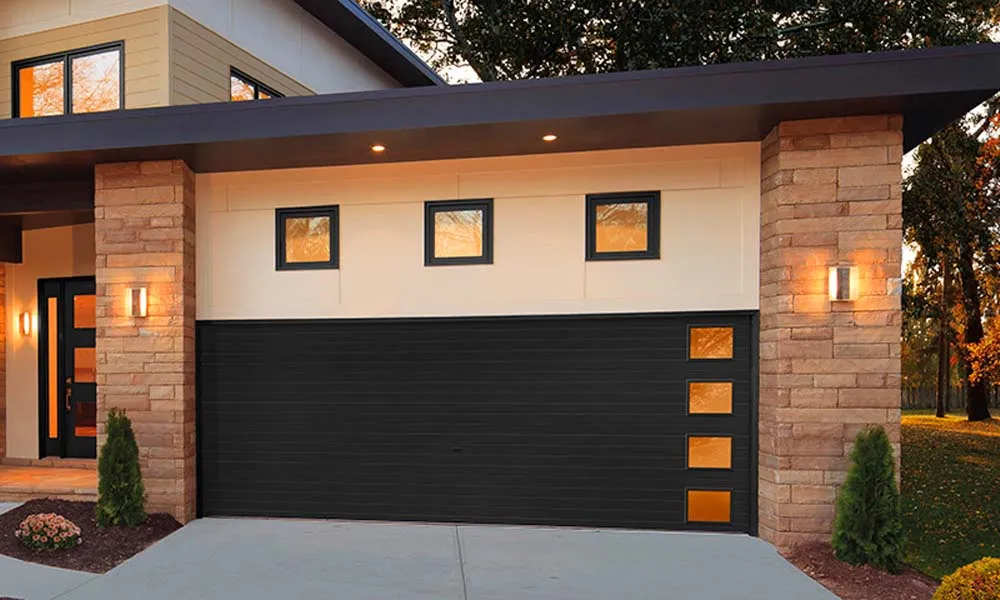
A garage door often stands as the largest moving part on any home, yet its importance extends well beyond mere functionality. The right choice of material can transform a basic entryway into a statement of security and architectural beauty, influencing both peace of mind and curb appeal in equal measure.
Understanding the Role of Garage Door Materials in Security and Style
When it comes to protecting your home, the material you select for your garage door matters more than most homeowners realize. A flimsy door is an open invitation to break-ins, while a robust, thoughtfully designed door acts as the first line of defense. Steel, reinforced composites, and advanced locking technologies all contribute to a barrier that does more than just keep out the weather.
But security is only half the story. The garage door is often a home’s most prominent façade. Materials set the tone for everything from modern minimalism to warm traditional charm. New finishes, colors, and hardware allow homeowners to personalize their garage doors as never before, seamlessly blending protection with lasting style.
Modern trends also reflect the growing demand for balance between these priorities. Homeowners want durability and strength, but not at the expense of appearance or usability. The intersection of advanced engineering and creative design is where today’s most desirable garage doors live, as residents seek out options that complement contemporary homes without sacrificing safety.
Premium Materials for Garage Doors: Features and Benefits
Choosing the right material can feel overwhelming given the array of high-end options now available. Each brings unique advantages:
– Steel: Renowned for its strength and durability, steel garage doors can be built with insulated cores for added energy efficiency and soundproofing. They’re difficult to breach, inexpensive to maintain, and can be finished in virtually any color or texture.
– Aluminum: Lightweight yet sturdy, aluminum doors are ideal for a sleek, contemporary look. Their resistance to corrosion makes them perfect for humid or coastal climates, though they are more prone to dents from heavy impacts.
– Wood: For timeless curb appeal, nothing rivals the elegance of real wood. These doors offer unmatched customization, from different species to intricate paneling, but require regular sealing or painting to prevent warping or rot.
– Fiberglass: This option combines weather resistance with low maintenance. Fiberglass doors can mimic wood grain convincingly without the upkeep, and they’re excellent in environments that experience extreme temperature swings.
– Composite Materials: Composites blend the best features of wood and steel, offering structural strength with customizable finishes and improved resistance to the elements.
Security Enhancements Through Material Innovation
Material advances mean today’s garage doors offer security features that go far beyond a sturdy lock. Reinforced internal structures can resist forced entry attempts, and layered core designs absorb impact energy. Integration with smart home security is now common, allowing real-time surveillance and automated locking.
Weather resistance is another key to longevity and safety. Rust-resistant finishes and insulated cores protect both the door and what’s inside your garage from the unpredictable elements, so the benefits extend far past the front line. For many urban homeowners, materials that dampen noise and enhance privacy are just as important as physical security.
Styling Your Home with Garage Door Materials
A luxury garage door should be more than functional. Matching the door to a home’s architectural style elevates the entire property. For example, minimalist aluminum can accentuate modernist homes, while rich wood panels complement classic or craftsman exteriors.
Custom finishes, specialty hardware, and the strategic use of windows let homeowners express their taste while maintaining protection. However, the most stylish door is still a practical one, balancing beauty with the realities of climate, maintenance, and daily use.
Maintenance, Longevity, and Cost Considerations
Premium materials typically demand less upkeep but may require a higher initial investment. Here’s a quick look at how popular options compare:
| Material | Estimated Lifespan | Maintenance Needs | Relative Cost |
|————–|——————–|———————|—————|
| Steel | 20-30 years | Low | Moderate |
| Aluminum | 15-25 years | Low | Moderate |
| Wood | 15-20 years | High | High |
| Fiberglass | 20-30 years | Very Low | Moderate |
| Composite | 20-30 years | Low | High |
Routine cleaning, timely painting or sealing, and regular inspection of moving parts help preserve both appearance and security features, no matter the material.
Selecting the Right Garage Door Material for Your Home and Neighborhood
Local climate can dictate whether steel, aluminum, or fiberglass best suits your needs. Salt air, humidity, and extreme weather are all major considerations. Community guidelines or homeowners’ associations may also influence your choices.
Expert advice is invaluable. A reputable service provider such as garage door can help assess your needs and deliver a professional installation, ensuring both aesthetic satisfaction and long-term security.
The Future of Garage Door Materials: Innovations on the Horizon
Sustainability is shaping the next generation of garage door materials, with more options made from recycled or renewable sources. Smart materials that detect tampering or adjust insulation on the fly are beginning to enter the market, promising enhanced safety and energy performance. As homeowners continue to demand both style and substance, innovation remains at the heart of garage door design.
There is no need to compromise. With the right garage door material, style and security can truly go hand in hand, transforming the face of your home and the safety of everyone inside.
