

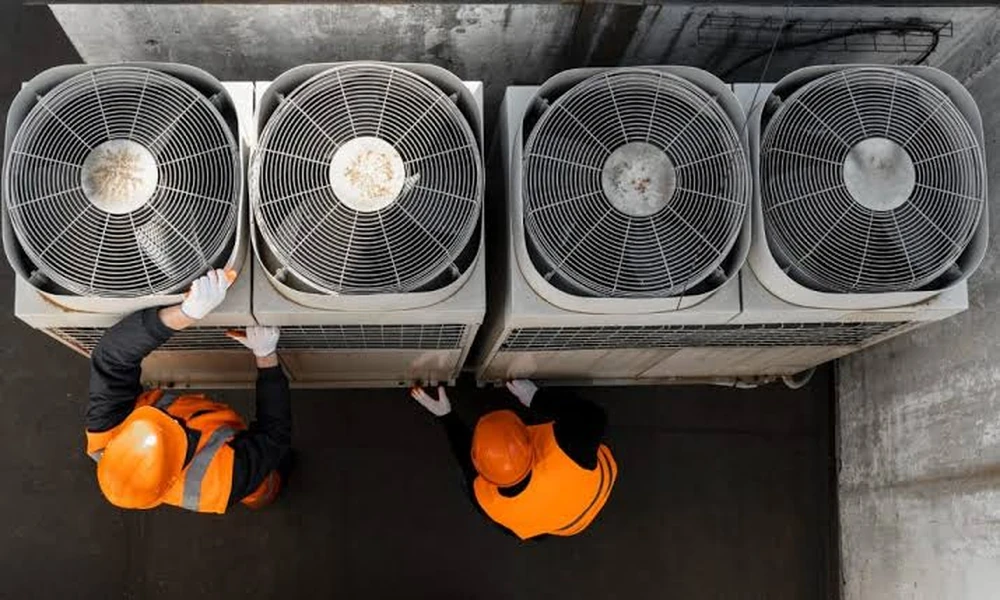
A heating system rarely stops working at a convenient time. Small changes in performance, unusual noises, or rooms that never seem to reach the right temperature can indicate a developing problem. Recognizing these early warning signs helps homeowners address potential faults before they lead to an unexpected breakdown or a more complicated repair.
Knowing when to arrange professional heating repair in Riverside, CA, can help you maintain indoor comfort and identify issues before they become more disruptive. Whether your home uses a furnace, heat pump, or ductless heating system, paying attention to changes in its operation is an important part of responsible home maintenance.
1. Uneven Heating Throughout Your Home
One of the first signs of a heating problem is an inconsistent indoor temperature. You might notice that the living room feels comfortable while a bedroom remains cold, even though the thermostat setting has not changed.
Uneven heating can result from restricted airflow, blocked vents, ductwork problems, thermostat placement, or equipment that is struggling to distribute heat effectively. In some cases, a closed vent or dirty air filter may contribute to the issue.
Start by checking that supply vents are open and unobstructed by furniture, curtains, or rugs. If the temperature difference continues despite these simple checks, a technician can assess the airflow and system operation to determine the underlying cause.
2. Unusual Noises During Heating Cycles
Heating systems produce some operational sounds, but sudden or persistent changes deserve attention. A new rattling, banging, squealing, or grinding noise may indicate a mechanical or airflow problem.
Rattling can sometimes come from loose panels or components. Squealing may indicate a worn belt or motor-related issue in systems that use those parts. Grinding or repeated banging can point to a more serious mechanical fault that requires professional assessment.
Do not assume a noise is harmless simply because the heater continues to produce warm air. If the sound is new, grows louder, or occurs repeatedly, arrange an inspection. Turn the system off if you hear severe grinding or loud impacts, and avoid opening equipment panels or attempting internal repairs yourself.
3. Higher Energy Bills Without a Clear Explanation
An unexpected increase in heating costs may indicate that your system is using more energy to provide the same level of comfort. Dirty filters, restricted airflow, faulty components, incorrect thermostat settings, and changes in outdoor temperatures can all affect energy consumption.
Before assuming the equipment is failing, compare your recent energy use with previous bills from a similar season. Consider whether you have changed your thermostat settings, increased the hours of operation, or experienced colder weather.
If usage remains unusually high without an obvious explanation, have the system evaluated. A professional can check whether the equipment is operating properly and identify potential inefficiencies. Addressing the cause may help restore normal performance and reduce unnecessary energy use.
4. Weak Airflow or Air That Feels Too Cool
When a heater runs but delivers little air through the vents, the problem may involve a clogged filter, obstructed ductwork, or an issue with the blower. A blower is the component that moves heated air through the home’s ventilation system.
Air that feels cooler than expected can also signal a fault, although the explanation depends on the type of equipment. For example, a heat pump may deliver air that feels less hot than air from a conventional furnace while still heating the room effectively.
Check the air filter and replace it if it is dirty, following the manufacturer’s instructions. Make sure the vents are unobstructed and the thermostat is set to heating mode. If airflow remains weak or the home does not warm adequately, seek professional assistance rather than repeatedly restarting the equipment.
5. Frequent On-and-Off Cycling
A heating system normally switches on and off as needed to maintain the selected temperature. However, repeated short cycles may indicate that something is preventing it from completing a normal heating run.
Possible causes include restricted airflow, thermostat problems, an improperly sized system, or a safety control that is responding to an operating fault. Frequent cycling can also increase wear on components because the system starts more often than necessary.
Check the thermostat setting and inspect the filter first. If the system continues switching on and off every few minutes, arrange a professional assessment. Avoid repeatedly resetting the equipment without understanding why it is stopping, particularly if a warning light or error code appears.
6. Thermostat Problems and Delayed Heating
Sometimes the heating equipment is not the source of the problem. A thermostat with incorrect settings, weak batteries, poor placement, or a connection issue may fail to communicate the desired temperature properly.
You may notice that the system does not start when expected, takes longer to respond, or allows the room to become colder than the selected setting. These symptoms can also result from faults elsewhere in the heating system, so the thermostat should not automatically be blamed.
Confirm that the thermostat is set to heat and that the target temperature is higher than the current room temperature. Replace batteries if the device requires them, and check for any visible error messages. If the system still fails to respond correctly, a technician can determine whether the issue lies with the thermostat, its wiring, or the heating equipment.
7. Warning Signs That Need Immediate Attention
Some symptoms require more urgent action than routine performance concerns. A persistent burning smell, visible smoke, sparks, or signs of electrical overheating should never be ignored.
If you smell natural gas or suspect a gas leak, leave the building immediately. Do not operate electrical switches, use flames, or attempt to locate the leak yourself. Once safely outside, contact the gas utility or emergency services as appropriate. If a carbon monoxide alarm sounds, leave the property and contact emergency services from a safe location.
For less urgent concerns, such as recurring noises or reduced heating output, prompt professional assessment can help establish whether the equipment is safe to operate. Never remove safety covers, bypass switches, or attempt repairs involving gas lines or electrical components.
How Regular Maintenance Helps Prevent Heating Breakdowns
Preventive maintenance gives homeowners an opportunity to identify developing problems before colder weather increases the demand on their heating equipment. Although maintenance cannot prevent every failure, it can help reveal restricted airflow, worn components, incorrect settings, and other issues that affect performance.
Check or replace air filters according to the manufacturer’s recommended schedule, keep outdoor heat pump units clear of leaves and other obstructions, and avoid blocking indoor vents. Keep an eye on unusual changes in sound, temperature, and operating time throughout the heating season.
A qualified HVAC technician can inspect the equipment, assess its operation, and explain which issues require attention. If the system repeatedly needs repairs or struggles to heat the home, ask for an assessment of its overall condition before deciding whether continued repairs or replacement makes more sense.
Final Thoughts
Early warning signs such as uneven temperatures, unusual noises, weak airflow, frequent cycling, and rising energy bills can indicate that a heating system needs attention. Checking basic settings and filters is a sensible first step, but persistent problems should be assessed before they develop into a more disruptive failure.
If your heater continues to perform poorly, consider arranging heating repair in Riverside, CA, with a qualified professional who can identify the cause and explain the appropriate options. Regular maintenance, timely repairs, and attention to changes in system performance can help you make informed decisions and keep your home comfortable when temperatures fall.
=============================================================================
