

Key Takeaways
- Certain household items require specialised cleaning methods to avoid damage and maintain hygiene.
- Upholstered furniture, mattresses, electronics, and natural stone surfaces are commonly mishandled during routine cleaning.
- Incorrect cleaning products or excessive moisture can shorten the lifespan of household materials.
- A home cleaning service often uses equipment and techniques designed for delicate or high-maintenance items.
- Many homeowners rely on professional cleaning for deeper maintenance that goes beyond regular surface cleaning.
Introduction
Not all household items can be cleaned using standard sprays, cloths, or general-purpose detergents. Some materials require controlled cleaning methods to prevent staining, moisture damage, or deterioration over time. However, in many homes, routine cleaning focuses on visible dust and dirt while overlooking proper maintenance techniques for sensitive surfaces and heavily used items.
This instance is one reason many homeowners engage a home cleaning service for more technical cleaning tasks. Professional cleaning in Singapore, in many cases, includes specialised procedures for items that require more attention than ordinary household cleaning methods can provide.
1. Upholstered Furniture Requires Careful Moisture Control
Sofas, dining chairs, and padded furniture absorb dust, sweat, food particles, and odours over time. Unlike hard surfaces, upholstery cannot simply be wiped down with water and detergent. Excessive moisture can seep into the cushioning, causing mould growth, unpleasant smells, or fabric damage.
Different upholstery materials also react differently to cleaning products. Velvet, linen, suede, and synthetic fabrics each require specific treatment methods. Using strong chemicals or rough scrubbing tools may fade colours or weaken the fabric surface.
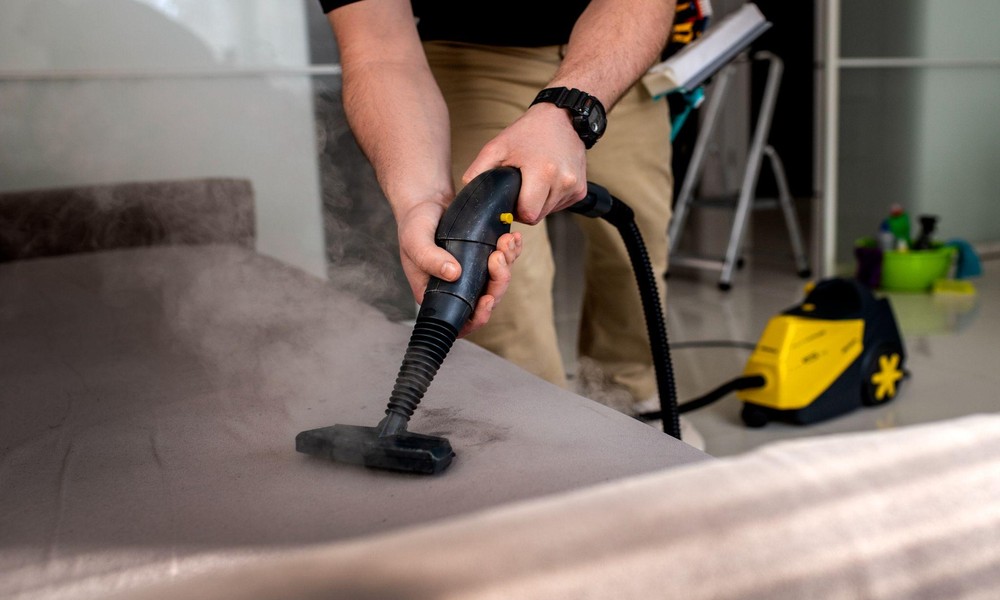
Professional cleaners usually assess the fabric type before choosing steam cleaning, dry cleaning, or low-moisture extraction methods. This approach reduces the risk of water retention while removing dirt trapped beneath the surface layers. Proper upholstery maintenance also helps extend the usable lifespan of furniture that experiences daily wear.
2. Mattresses Need Deep Cleaning Beyond Vacuuming
Mattresses collect sweat, dead skin cells, dust mites, and bacteria that are not fully removed through standard vacuuming. Since mattresses are used for long periods every day, deep cleaning requires methods that can sanitise internal layers without soaking the material.
One common mistake homeowners make is using too much water during cleaning. Moisture trapped inside foam or springs may lead to mould growth and persistent odours. Surface sprays alone also do little to remove allergens embedded deeper within the mattress.
A home cleaning service may use steam treatment, extraction equipment, or sanitising methods designed specifically for bedding materials. These processes help remove contaminants while controlling moisture levels. Regular mattress maintenance is especially important in humid environments where trapped moisture becomes a long-term hygiene concern.
3. Electronic Appliances Require Non-Abrasive Cleaning Methods
Electronic appliances are another category that requires specialised cleaning techniques. Televisions, monitors, remote controls, kitchen appliances, and air-conditioner panels contain sensitive components that can be damaged by excessive moisture or abrasive cleaning materials.
Many homeowners use general-purpose sprays directly on screens or appliance surfaces without considering the risks. Liquid can enter ventilation openings or internal circuitry, potentially affecting performance. Rough cloths may also scratch display panels or polished surfaces.
Professional cleaners typically use anti-static cloths, appliance-safe cleaning products, and controlled application methods. Areas such as vents, filters, and control panels also require careful handling to avoid damage. Professional cleaning, in many cases, includes appliance cleaning procedures that focus on both hygiene and equipment preservation.
4. Natural Stone Surfaces Require Material-Specific Products
Natural stone surfaces such as marble, granite, terrazzo, and quartz require specialised cleaning because they react differently to chemicals compared to ceramic or synthetic materials. Acidic cleaners and rough scrubbing pads may permanently damage polished finishes or protective sealants.
For example, vinegar-based products commonly used for household cleaning can leave dull marks on marble surfaces. Abrasive tools may also scratch polished stone and weaken the surface over time.
Professional cleaning methods usually involve pH-neutral products and non-abrasive tools designed specifically for stone materials. Proper maintenance helps preserve the appearance of countertops, flooring, and bathroom surfaces while preventing premature wear.
Conclusion
Some household items require specialised cleaning methods because of their material sensitivity, daily usage, or exposure to moisture and bacteria. Upholstered furniture, mattresses, electronic appliances, and natural stone surfaces all require techniques that go beyond standard household cleaning practices. Incorrect methods may cause permanent damage, hygiene problems, or reduced product lifespan. This instance is why many homeowners rely on a home cleaning service for more technical maintenance tasks. Since demand for professional cleaning continues to grow, specialised cleaning has become an important part of maintaining modern residential spaces.
Contact GJourney Services and keep your home environment properly maintained.
